

"Saturday Lunch with the Kim Family"
(By Martin Petersen)
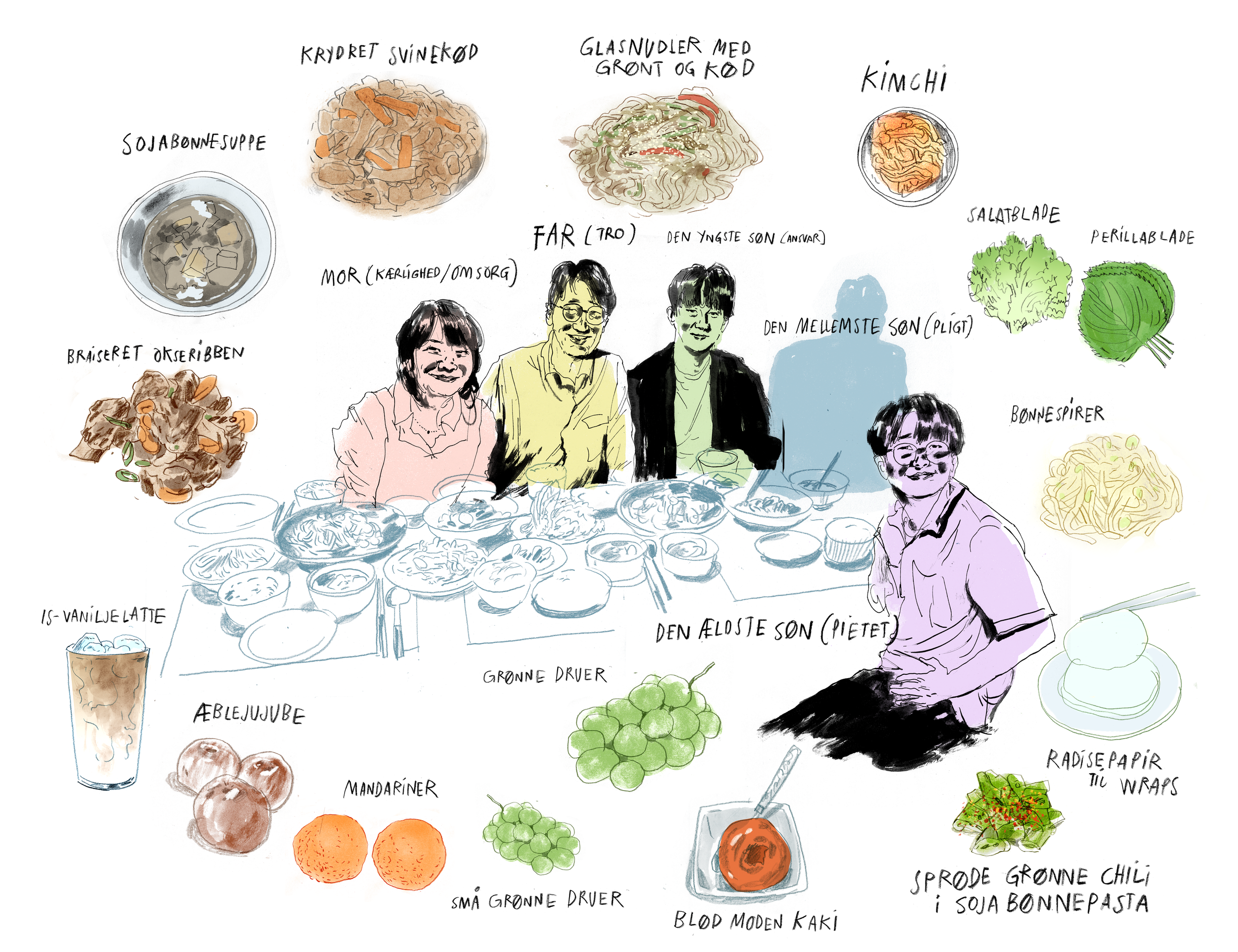
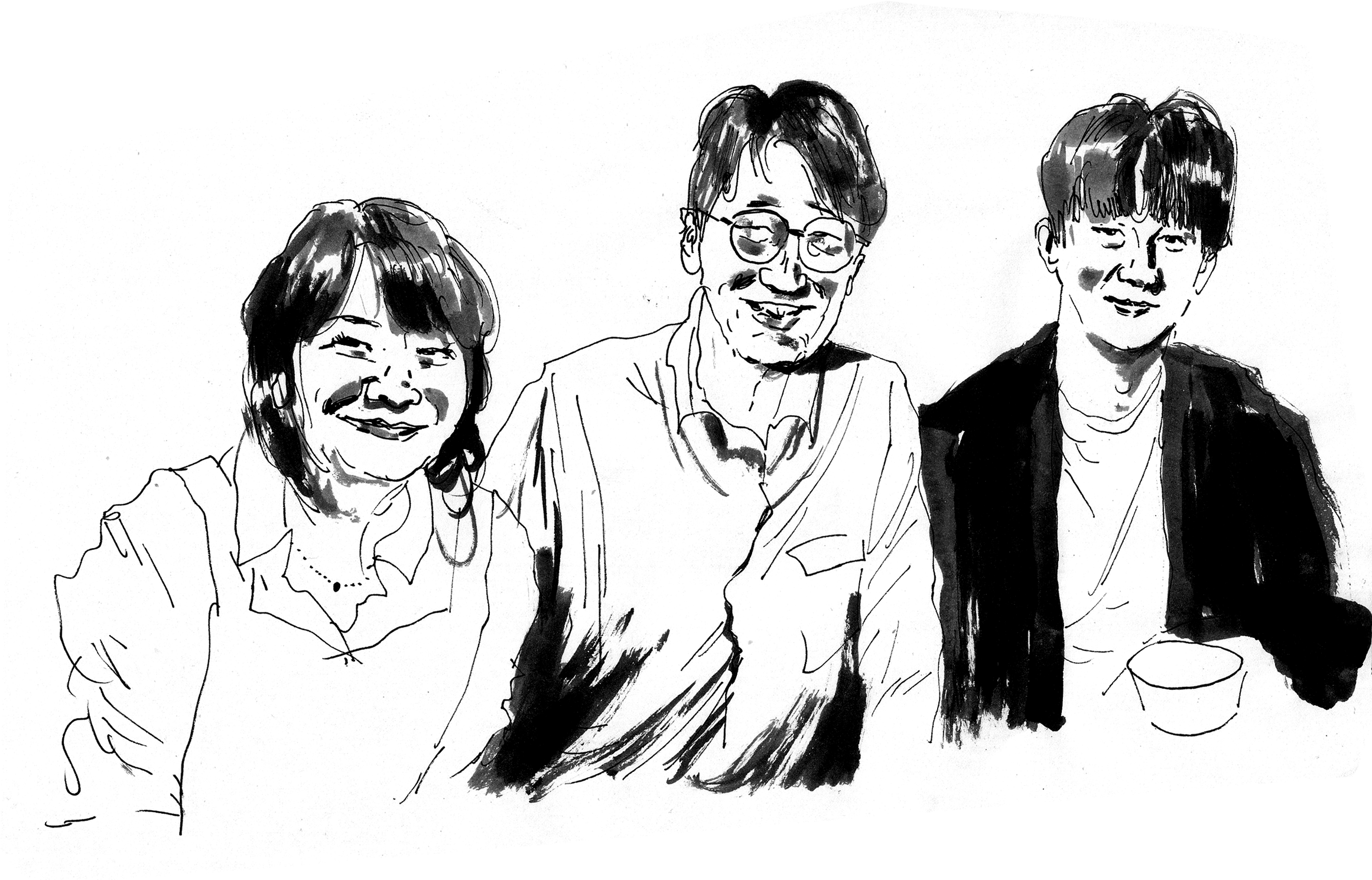
It's Saturday morning. We're on the 11th floor of an apartment block on the very outermost edge of western Seoul. From the flat here, there's a fine view of the city's high-rises and the mountains that ring it. Five of the city's 10 million inhabitants live here: a father, a mother, and their three sons.
The living-room table, set between the kitchen and the sofa corner, is overflowing with all manner of main dishes and small dishes. Mother, father, and two of the sons are gathered for the big family lunch. And we've been allowed to join.
The father folds his hands in prayer; calm settles over the table.
Let's play with the idea that this particular family holds the whole story of Korean family life and values in 2025. And that precisely the dishes waiting to be eaten, once the table prayer is done, tell the story of a family meal in 2025. That's not how it is, of course. But now the family lunch begins.
THE FAMILY
Kyungsoo – father (faith; 신앙, sinang)
"Today we give special thanks that Martin and Rasmus are here with us, so that we can talk together and share this meal in fellowship. Bless Eunha, who has prepared the food, and let God's grace and blessing fill us who eat it. We pray in Jesus' name. Amen!"
Right around 30% of South Korea's population is Christian. The Kim family is Christian. Not cultural Christians, as many Danes are. They go to church together. They go to church camp at home and abroad. They live with God in their everyday life. On the wall above the sofa it reads: "My joy in life is to walk together with the Lord." Faith, sinang, is utterly central to their understanding of existence. And they always begin a meal with a table prayer.
At many family gatherings, alcohol — beer and spirits (soju) — helps weigh down the table and lift the mood. Here on the table there is only food and water; the Kim family abstains from alcohol.
Eunha – mother (love/care; 정, cheong)
The choice to forgo alcohol is not a sign of a lack of love. Quite the opposite. The mother explains: "These are the kinds of dishes you can easily eat on an ordinary day — you don't have to wait for a holiday or anything special. But if you want to, you can of course lay it all out at once. Ah! Koreans… as people in most other countries probably do too… if guests are coming, you'll happily make a great many well-prepared dishes. They say the table legs almost break under all the food. It's as though you show your love and care through the food."
The mother is the family's centre and pivot. She has spent many hours in the kitchen in her flowered apron getting the dishes ready. And she went with her husband to a local supermarket, where the shop assistant gave tips on the best, fresh produce on the shelves. It's all love in action; cheong. Cheong binds people together; for a moment, we are one big family.
The past decades' great rise in prosperity, neoliberalization, and orientation toward Western ways of life have in many ways turned the traditional family upside down. It has shifted the role of women in the home a great deal. Many young women have no appetite for having to prepare food for the large, extended family at holidays and on ordinary days. Some forgo marriage, the better to focus on a career — and to avoid this role. The marriage rate is falling, and Seoul has ever more singles. Eunha recalls several large family gatherings from when she was a child; many more than they take part in these days. But amid a time in flux, the nuclear family's Saturday lunch is an expression of a stable, strongly values-based social fellowship. More than that: it's a gesture of love.



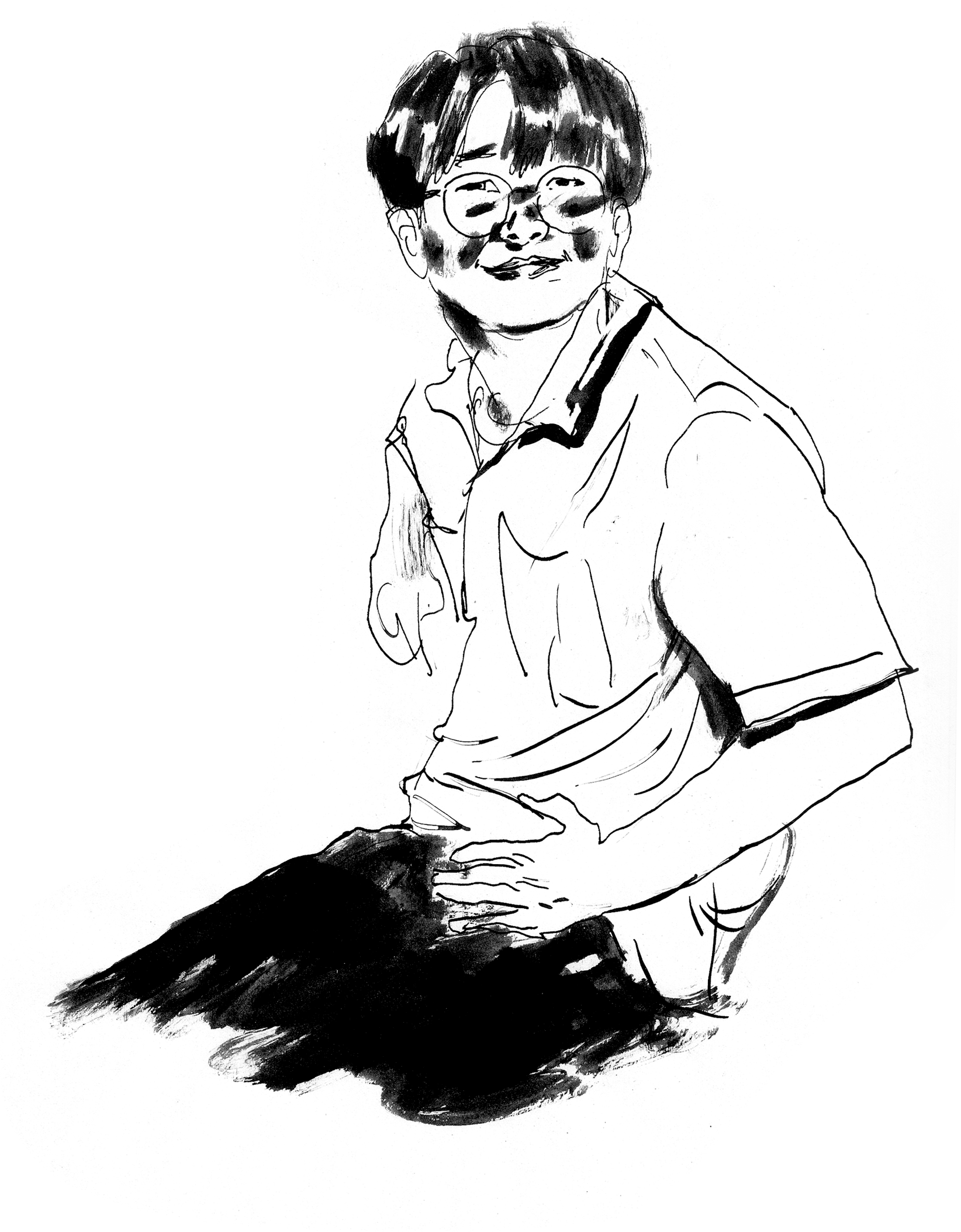
Juhun – eldest son (filial love; 효, hyo)
The eldest son leaves the table during dessert. The mother watches after him as he goes out the door. Juhun has just completed 18 months of military service and come home. At the turn of the year he'll resume his university studies. This afternoon he's going on a date. It's completely normal for young Koreans to keep living at home until they've finished their education, found work, and married. The mother almost tears up as she tells how her son, suddenly and without putting words to it, massaged her legs before he left for military service. You don't need to have seen many Korean family dramas to know that this is an expression of hyo (filial love; filial piety). Juhun is a good boy. That is to say — the mother sent a boy to the military barracks. She got a man back home again. He dates, and soon he'll have finished his education. What kind of person will he become? And what kind of family will he create? Juhun's quiet gesture gives her, if not peace of soul, then the certainty that even though he isn't at the Saturday lunch from start to finish, he is still wholly and completely part of the family.

Juhyok – middle son (duty; 충, chung)
The phone rings. It's the middle son. As the next in line of the Kim family's three sons, he has just begun his 18 months of military service. Juhyok reports briefly on how things are going at the barracks and ends with a resounding chungseong. 'Loyalty'; or 'at your service.' Christian, Buddhist, or atheist, left-wing, right-wing, or centrist — all young men declared fit must serve in the army. No peace treaty has been concluded with the neighbour to the north — North Korea. Formally, the Korean War (1950–1953) has not been brought to an end. Military service is duty, patriotism, the formation of masculine identity, and fellowship all in one. It is chung. For three stretches of eighteen months, this can be read quite literally in the empty seat at the Kim family's Saturday lunch. Over a five-year period, the sons will in turn be missing from Saturday lunch. They are deep voices who call home in few words and sign off with 'chungseong.'
Juwon – youngest son (responsibility; 책임, chaegim)
"This drawing is of a tree in the forest. I was daydreaming in the sun as I drew it." All three sons are skilled illustrators. The middle one is training on a drawing-and-animation track. Juwon has just fetched his sketchpad from the sons' shared room and shows a pencil drawing to Rasmus. The drawing isn't from this year. There's not really time to draw trees in the forest this year. The youngest son is in the final sprint of what is often considered, in Korea, the hardest life there is: the last year of high school. For it's in the third year that it's decided whether you go out into the world well — with good grades that give access to a good university, which gives the chance at a good job, which creates good conditions for starting a family. It's in this year that responsibility can truly be felt deep in the bones. And not only on one's own behalf. Young people carry the responsibility not just for their own lives, but to a great extent for the family's happiness too. Parents have often invested large sums and much time in helping them on their way. The youngest son casts a final glance at his pencil drawing. Then he closes the notebook and sets it aside. These days he studies day and night as he prepares for the all-decisive exam. But he sits at the table from start to finish. His mother tells us they show him consideration, but that he still has a duty to help out at home. As we rise from the wonderful and delicious lunch table, the son is the first to clear from the table — before he goes into his room.
THE LUNCH
Main dishes (메인 요리, mein yori)
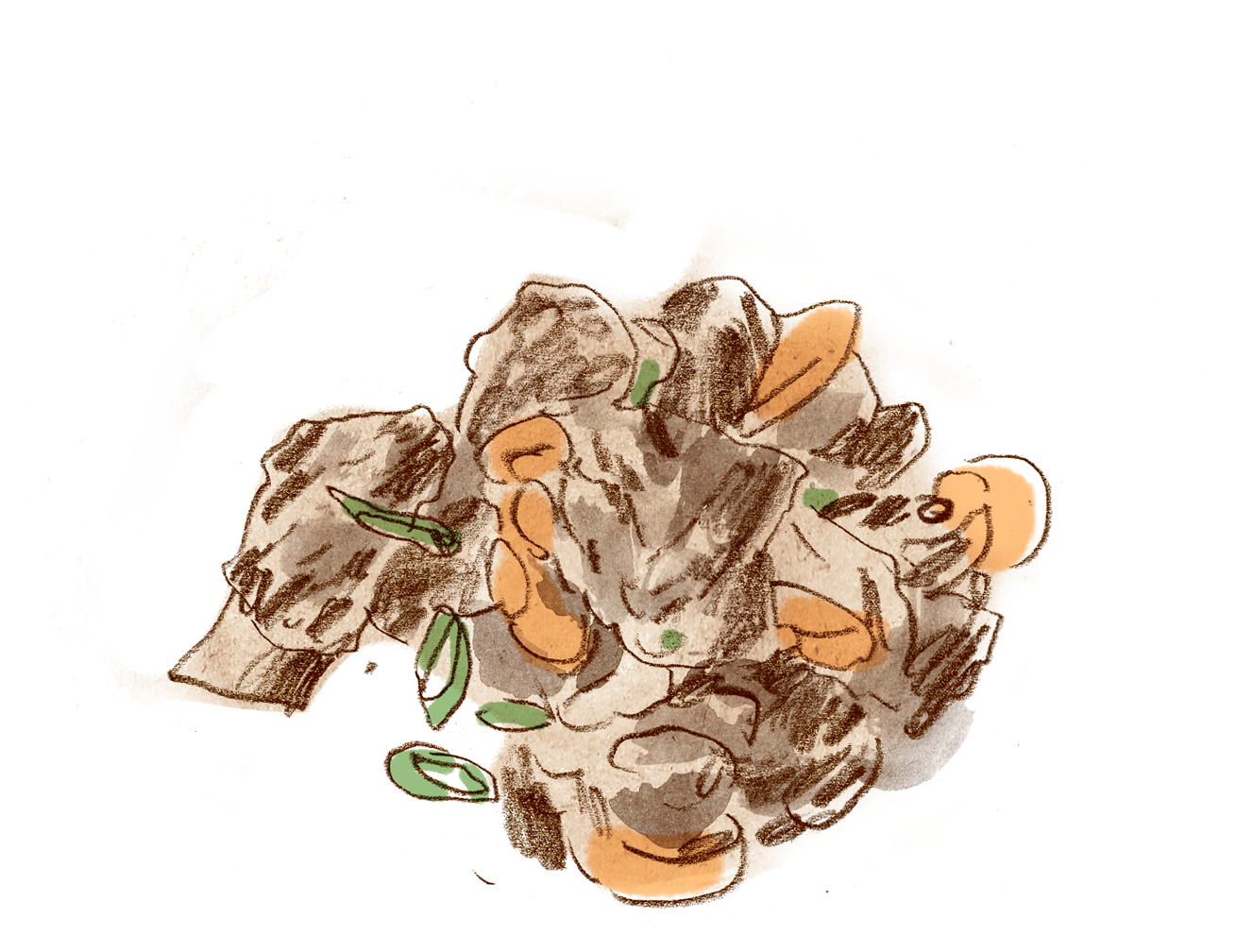
Braised pork ribs (돼지갈비찜, dwaeji-galbi-jjim)
Slow-braised pork ribs in a mildly sweet soy sauce with garlic, carrots, and chestnuts. The dish is a variation on the classic galbijjim (braised beef ribs), where pork gives a rounder, softer flavour.
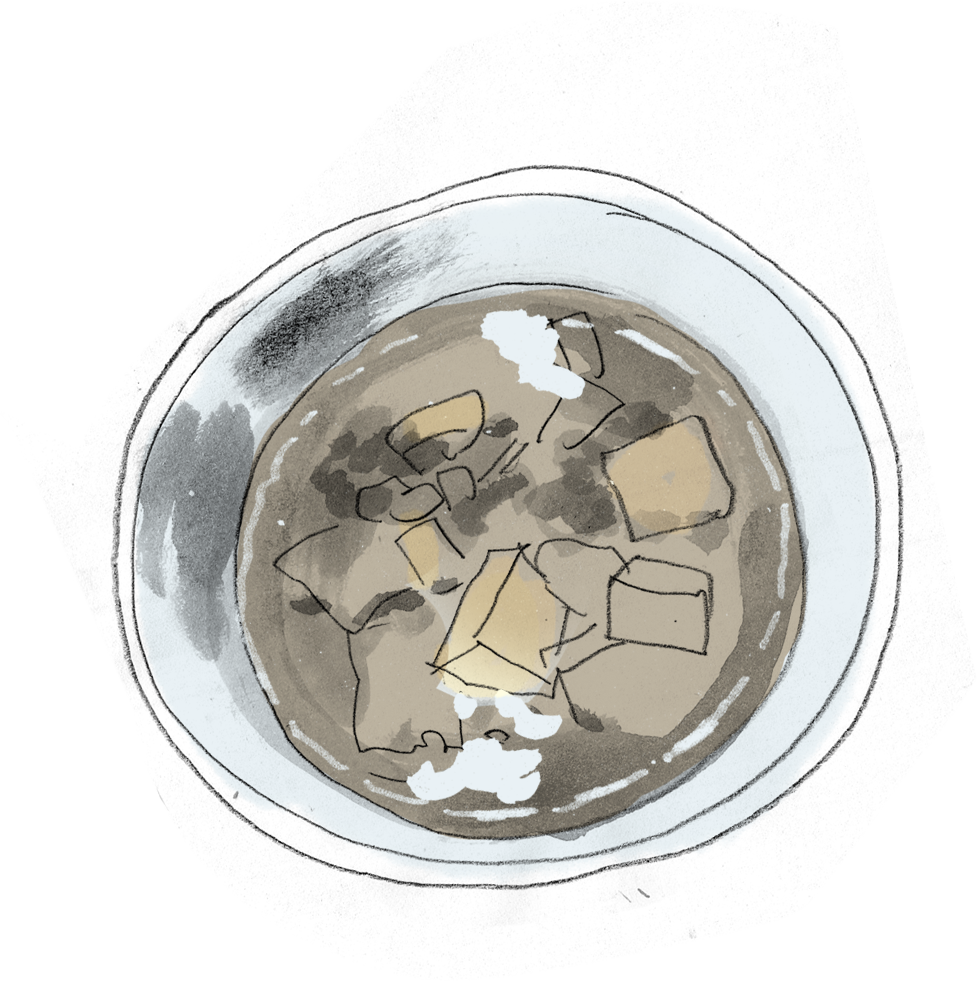
Soybean soup (된장찌개, doenjang-jjigae)
A stew made from fermented soybean paste, tofu, vegetables, and often a little pork or seafood. Served piping hot with rice. Eaten daily in many homes as a warm meal.
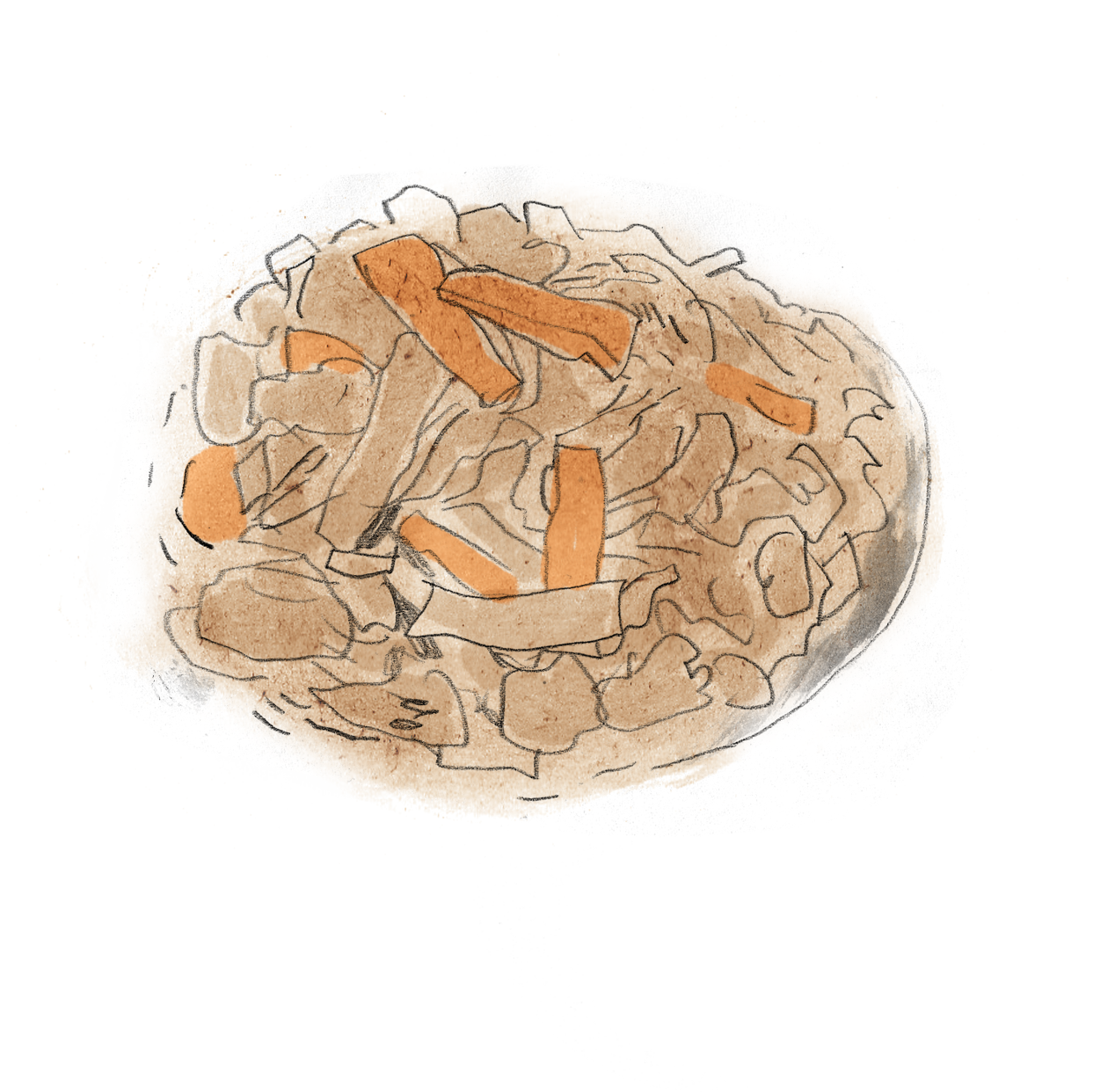
Spicy pork (제육볶음, jeyuk-bokkeum)
Stir-fried pork marinated in gochujang (chili paste), garlic, and sesame oil. A popular everyday dish, served with rice and fresh lettuce to wrap the meat in.

Glass noodles with vegetables and meat (잡채, japchae)
Sweet glass noodles stir-fried with vegetables, mushrooms, and beef in sesame oil and soy sauce. A mild, lightly sweet, and colourful dish, often served on festive occasions.
Dessert ( 디저트)
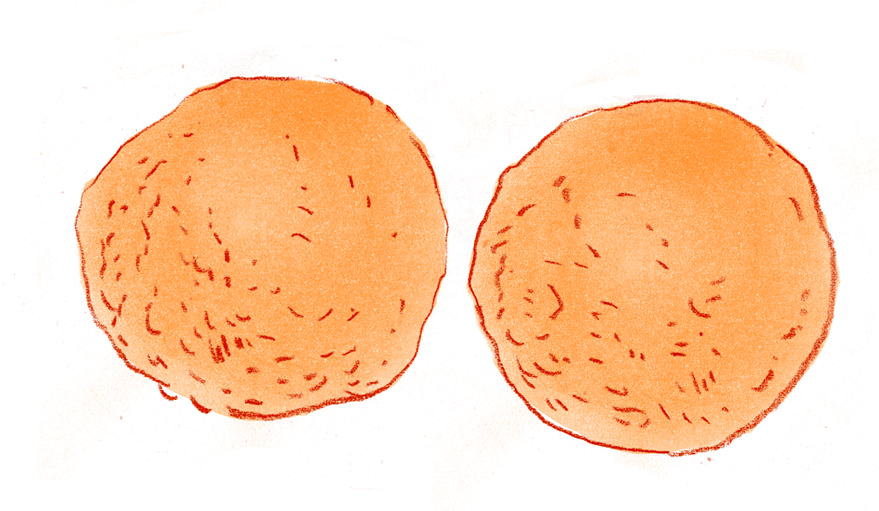
Persimmon (감, Gam)
An orange autumn fruit with a honey-sweet taste and soft texture. Can be eaten fresh, dried (gotgam), or half-frozen. Served fresh here.
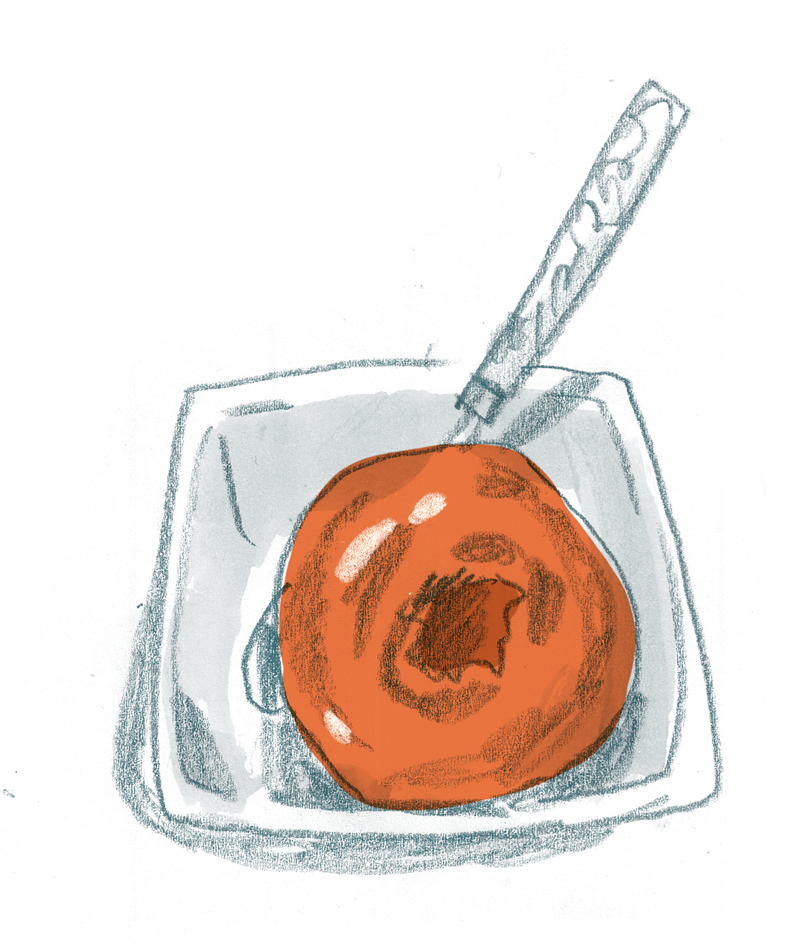
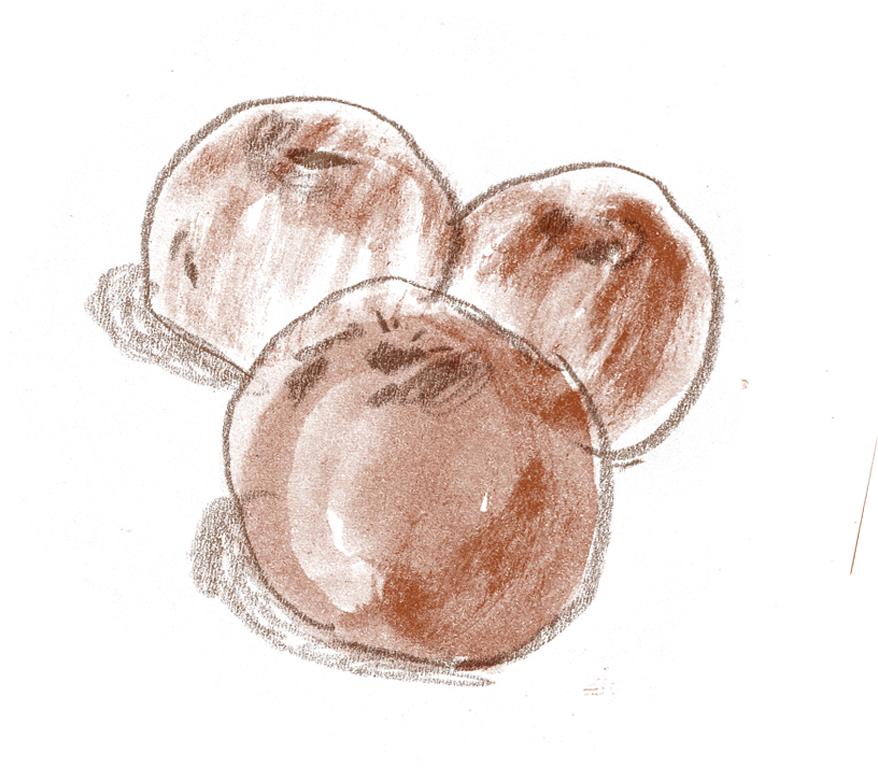
Soft ripe persimmon (연시, Yeonsi)
An overripe version of gam; eaten with a spoon. Silky and gentle in flavour.
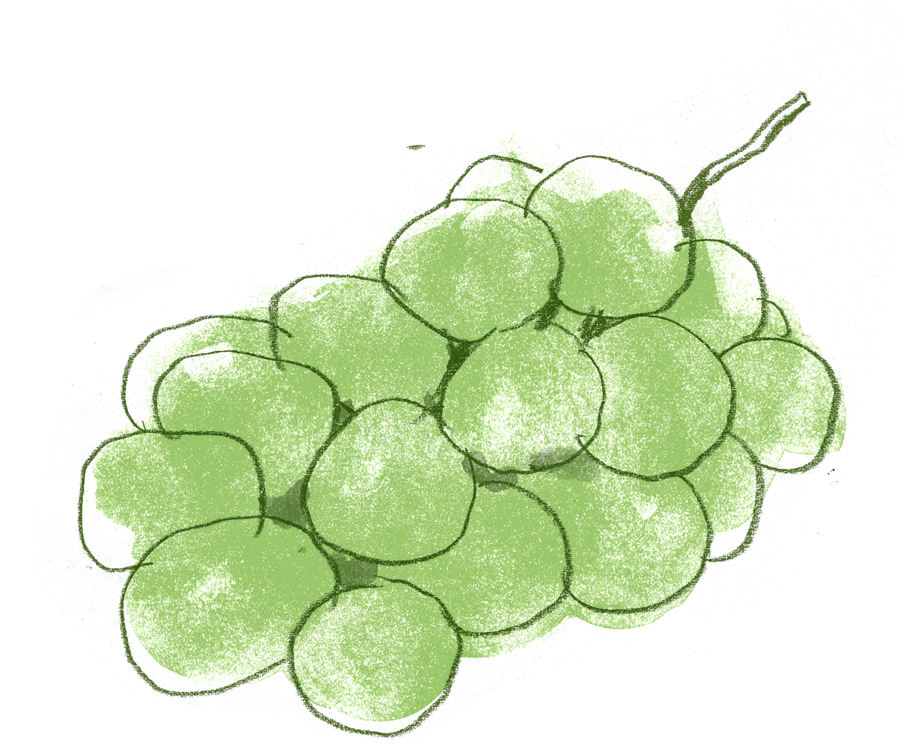
Green grapes (샤인머스켓, shine muscat)
Large, perfumed grapes with crisp skin. A luxury fruit in modern Korean dessert culture.
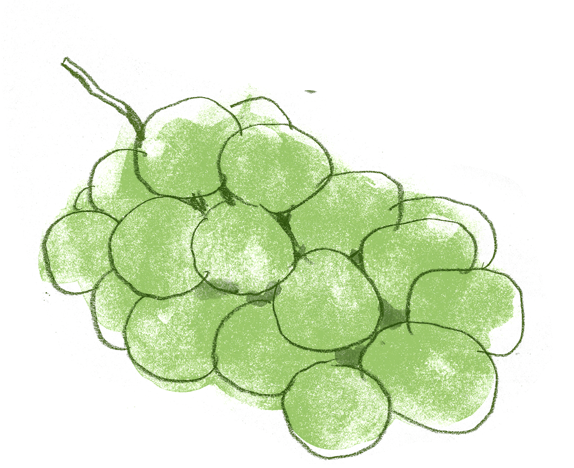
Green grapes (청포도, cheongpodo)
Small, sweet grapes with a lightly perfumed aroma.
Mandarins (감귤, Gamgyul)
A sweet and tangy winter fruit from Jeju, South Korea's southernmost island.
Apple-jujube (사과대추, sagwa daechu)
A small fruit that tastes sweet and crisp, like something between an apple and a jujube. Often eaten fresh or dried as a snack. Served fresh here.
Iced vanilla latte (아이스바닐라라떼, aiseu banilla latte)
Cold coffee with milk and vanilla syrup — a café favourite. The coffee was brewed on the family's barista machine.
Side dishes (반찬, banchan)
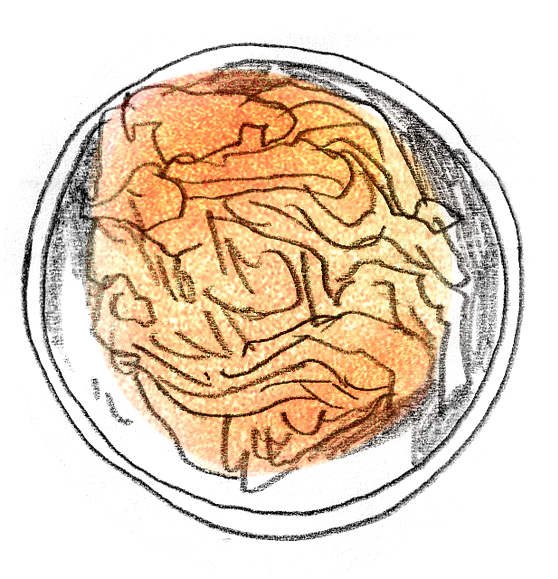
Kimchi (김치, Kimchi)
No meal without kimchi! Fermented napa cabbage with chili, garlic, and salt. Korea's national dish.
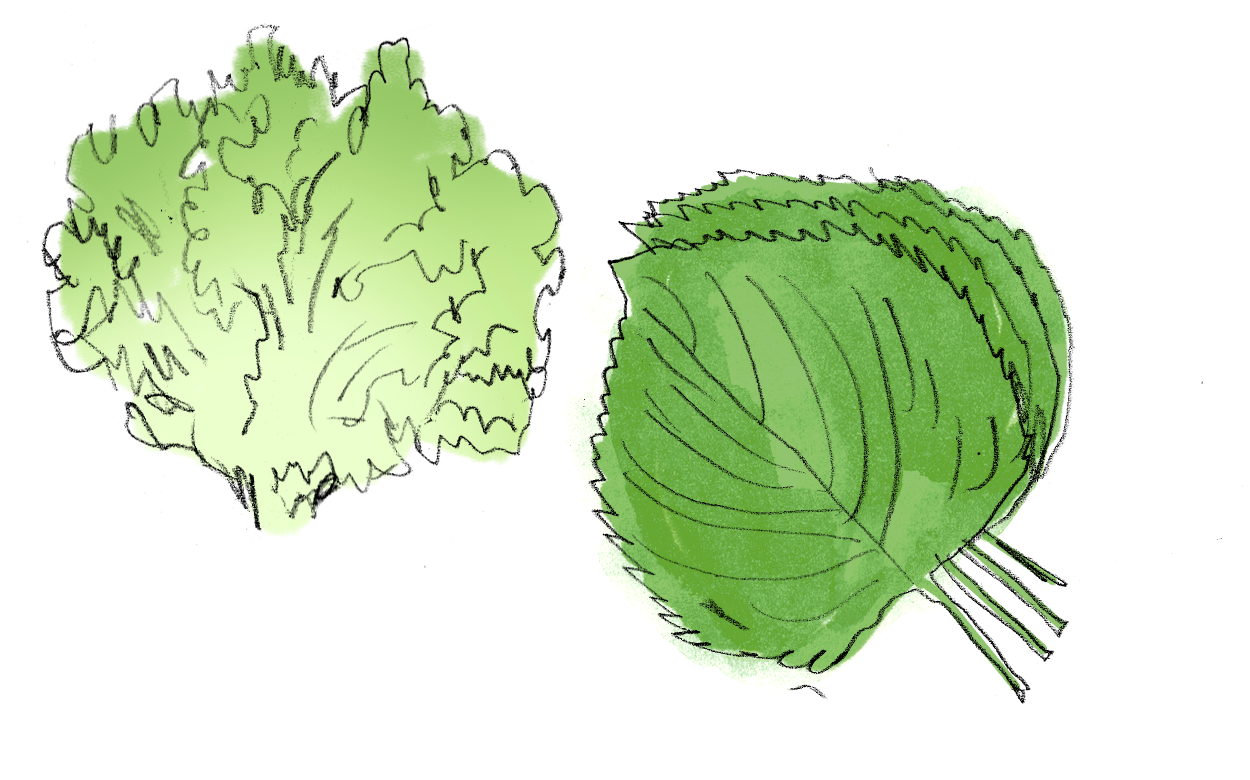
Lettuce leaves (상추, Sangchu)
Fresh lettuce leaves; used for ssam during lunch. Koreans love to pile all sorts of things that go together on top of lettuce leaves: meat and various kinds of fresh greens, but also sweet-and-sour ssam-mu, shredded spring onion, raw garlic, raw chili, and so on.
Perilla leaves (깻잎, kkaennip)
Fresh perilla leaves. An aromatic and lightly bitter banchan that provides contrast to rich main dishes. Can also be served marinated in soy, garlic, and chili.
Radish wraps (쌈무, ssam-mu)
Thin slices of radish pickled sweet and sour. Also used to wrap meat and rice.
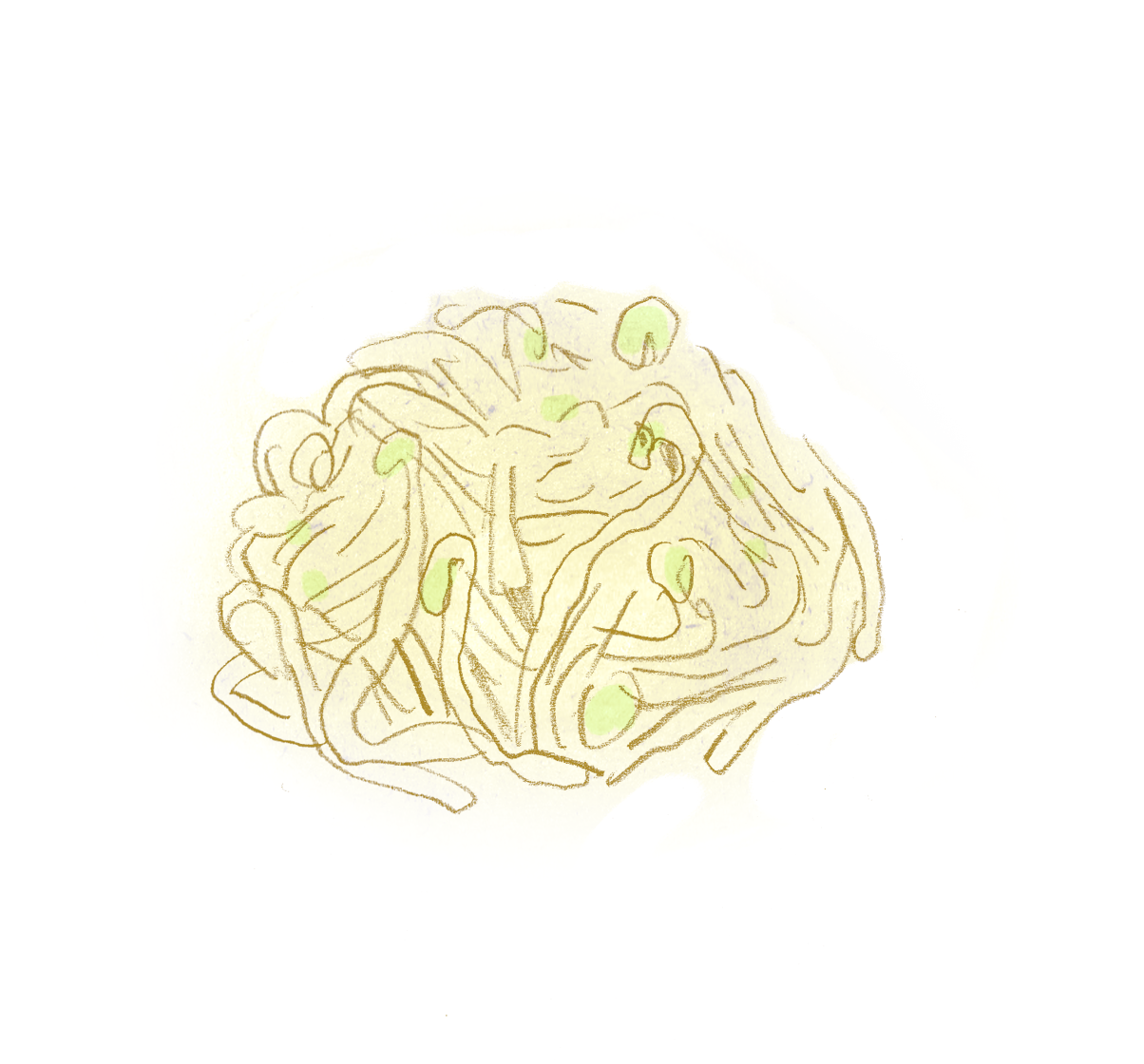
Bean sprouts (콩나물무침, kongnamul-muchim)
Lightly boiled and seasoned bean sprouts with sesame oil and garlic. A classic banchan, crisp and clean in flavour.
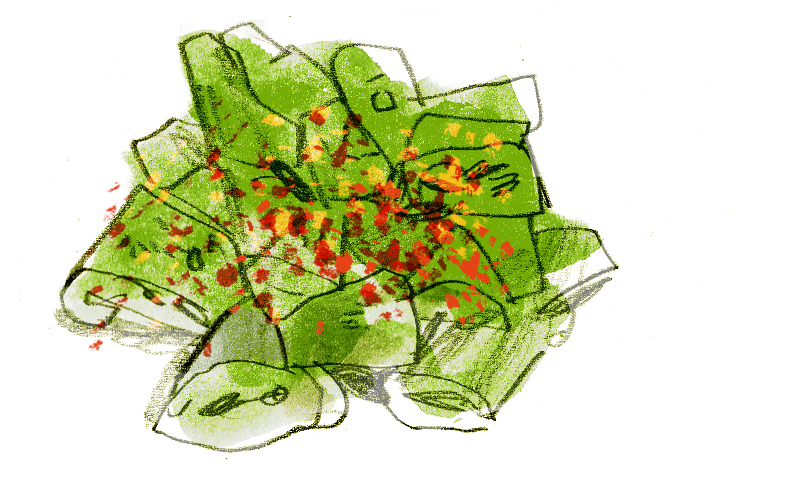
Crisp green chili in soybean paste (아삭이고추 된장무침, asagi-gochu doenjang-muchim)
Fresh, crisp chilies tossed in doenjang (soybean paste). A sharp but clean flavour that balances rich dishes.


All illustrations on this page are by Rasmus Meisler. See more of his work here.