

“One Million Zainichi Koreans”
By: Shimpei Cole OTA, Ph. D., Associate Professor, National Museum of Ethnology, Japan
A growing number of people in Japan today have roots outside the country. As of June 2025, about four million residents — roughly 3.2 percent of the total population — do not hold Japanese nationality (Note 1). Compared with other developed nations, this proportion remains low, and it is understandable that some view Japan as a socially closed country. Even so, the number has been steadily rising in recent years.
Among these communities, Koreans have built a distinctive and longstanding presence, forming an ethnic community whose history in Japan extends back more than a century. As of December 2024, there are about 270,000 Koreans who hold the special residency status known as tokubetsu eijūken — Special Permanent Residency (Note 2). When including those who later naturalized and their descendants, the total number of people who share the same historical and legal origin is often said to exceed one million (Note 3). Why did so many Koreans come to reside in Japan? What exactly is this Special Permanent Residency? Why have many of them never acquired Japanese nationality? And what circumstances do they face in both Japan and Korea? I address these questions here, weaving in the voices of friends who belong to this community.
Illustrations: Jeon Nak-Joo
Nationality and Special Permanent Residency
Together with groups from other former Japanese colonies, such as Taiwan, these Korean residents were granted a unique legal status: Special Permanent Residency. Throughout the twentieth century, the Japanese government was reluctant to grant permanent residency to foreigners, and those with the exceptional circumstances described above were given this special category rather than regular permanent residency.
Today, holders of Special Permanent Residency are generally known as Zainichi (residents living in Japan). Many are now fifth- or sixth-generation residents, and those who apply for naturalization can, in most cases, obtain Japanese nationality without difficulty. Yet many choose not to naturalize. The chief reason is that Japan does not recognize dual citizenship; acquiring Japanese nationality would require relinquishing the nationality their families have preserved across generations. As a result, Zainichi Koreans live without Japanese passports or voting rights, despite being part of Japanese society and paying taxes and social insurance contributions.
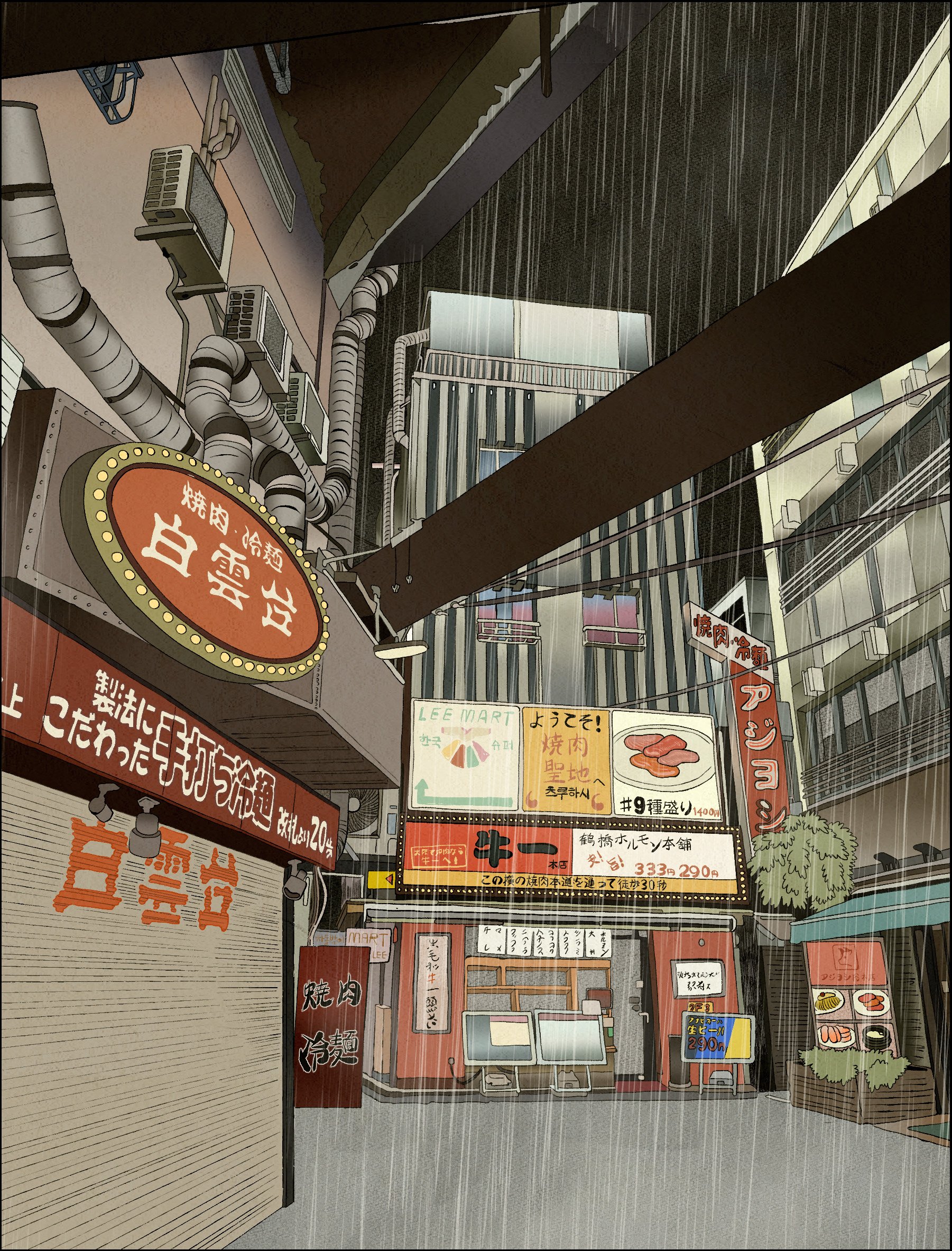
Communities with a high concentration of Zainichi Koreans exist throughout the country. Due to ferry routes that once connected Osaka with Jeju Island, the Osaka region in particular has long been home to large Korean communities. In Ikuno Ward, the best-known Korean district in Osaka, about 20,000 Zainichi Koreans live today (Note 5), amounting to roughly one in every six residents. Since naturalized citizens are not included in this figure, the number of people with roots in twentieth-century Korean migration is substantially higher. Similar communities exist in nearby cities such as Kobe’s Nagata Ward and Kyoto’s Minami Ward. Even in regions farther from Osaka, such as Kitakyushu and Shimonoseki that are close to the Korean Peninsula, Zainichi Koreans play indispensable roles in local society.
Some later emigrated to other countries. My friend Lisa, a third-generation Zainichi Korean from Ikuno, now lives in New Jersey with her American spouse. Her native language is Japanese, and she speaks no Korean, yet she must visit the Korean consulate in New York for official paperwork, to communicate with South Korean officials in English. Still, she has no intention of obtaining U.S. citizenship. “Korean nationality is something my grandparents and my parents cherished while living in Japan,” she told me. “I feel responsible for preserving it, too.”
Not all Zainichi Koreans hold South Korean passports. Some have North Korean nationality, while others retain a status recorded simply as “Korea,” referring to the undivided peninsula. These individuals refuse to adopt either South Korean or North Korean nationality. Jin, a fourth-generation Zainichi Korean from Nagata, explained that international travel requires cumbersome procedures, yet he still will not adopt a South Korean passport. “My family and I don’t want to side with or oppose either country,” he said. “We’re already a minority in Japan; there’s no reason to deepen divisions among minorities.”
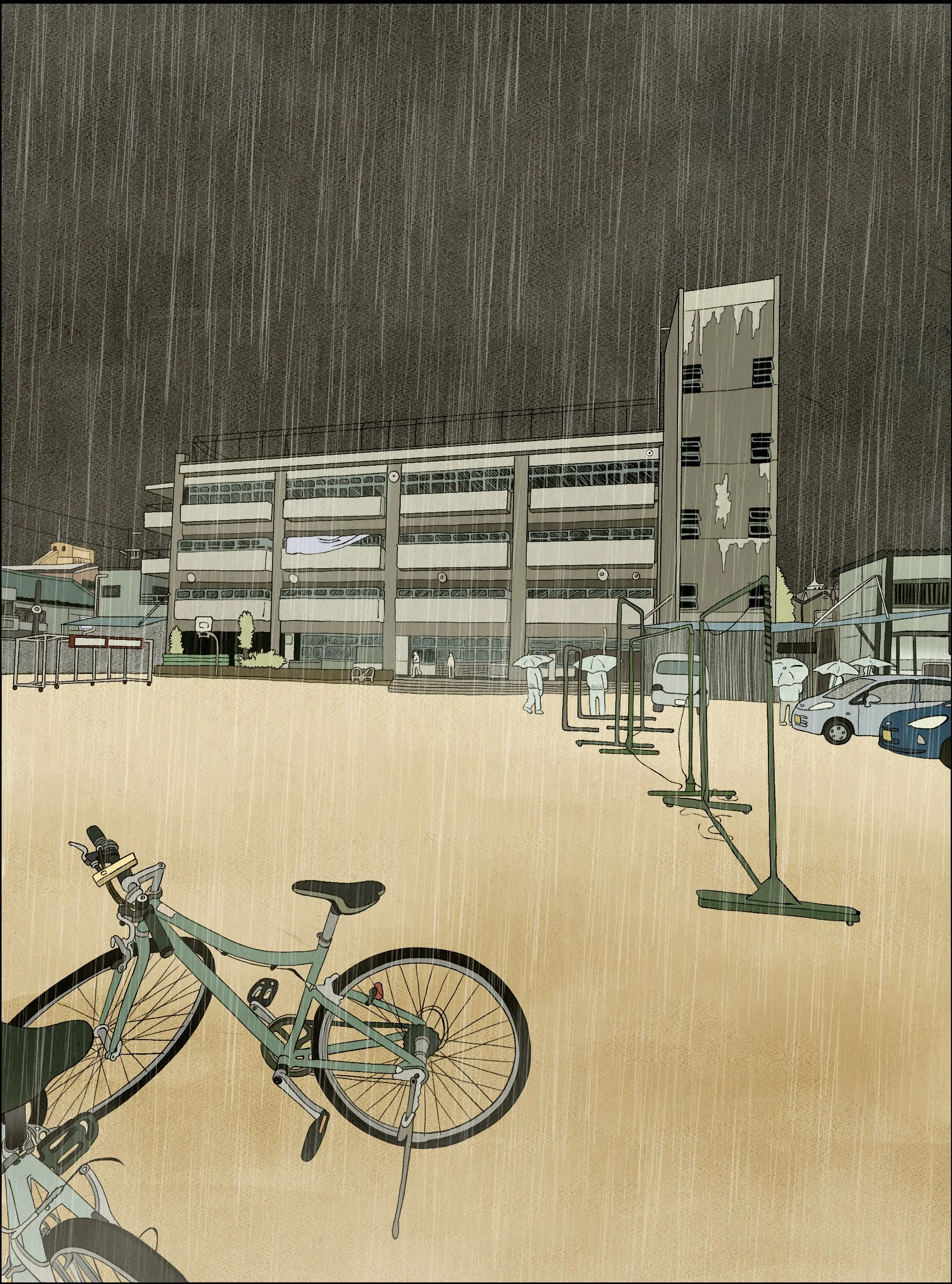
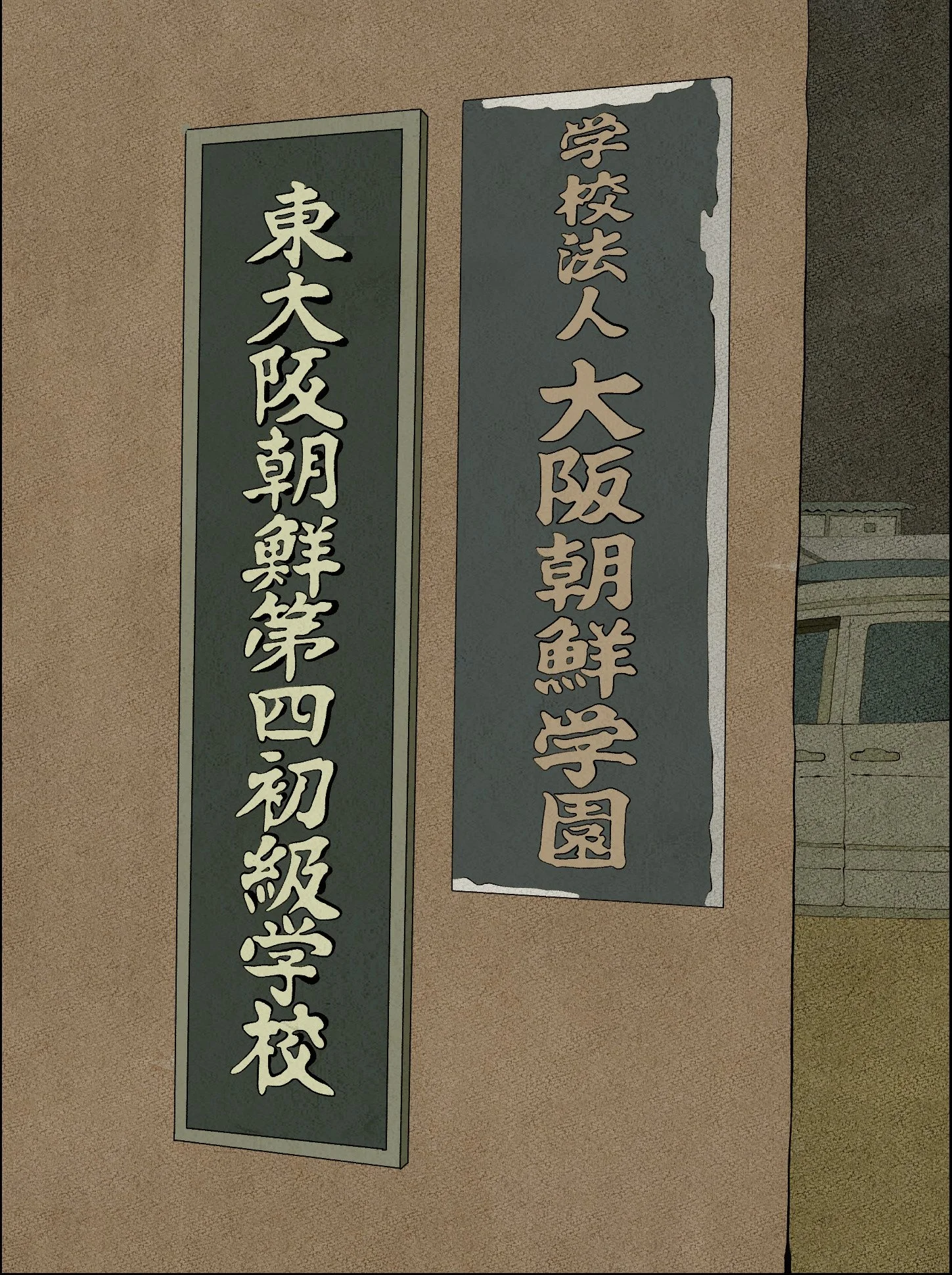
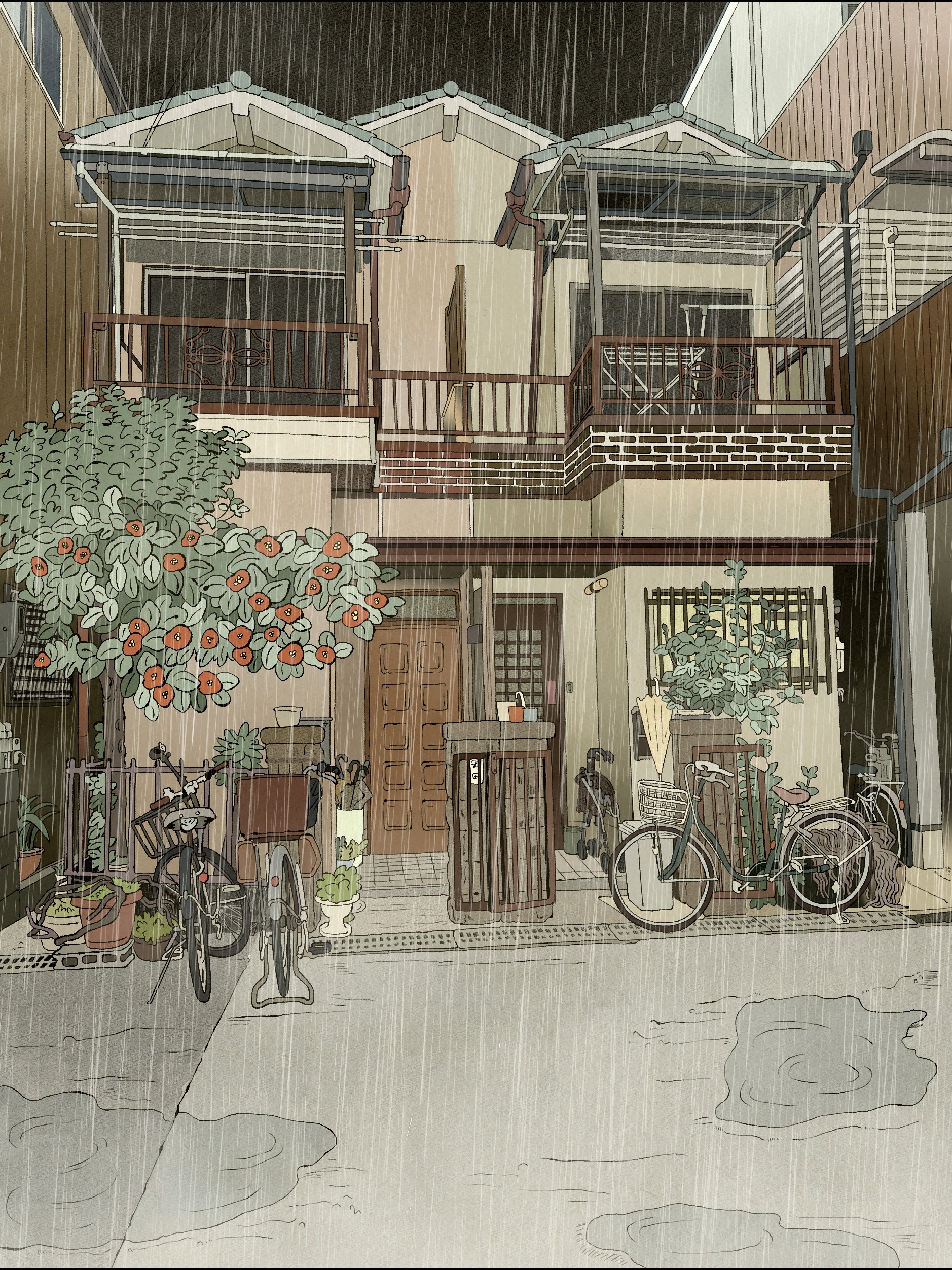
Illustrations: Jeon Nak-Joo
Discrimination in Japan and Korea
As Jin notes, Zainichi Koreans are a minority within Japan. Many point out that, despite contributing to society and paying taxes alongside Japanese nationals, they are denied certain political rights — a legal inequity they view as discrimination.
Yet legal inequality is only one dimension. Daily-life discrimination persists in the form of hate speech, hiring barriers, marriage discrimination, and obstacles to renting housing. The spread of the internet has added new layers to these problems.
Allow me a personal anecdote. I grew up in a city between Osaka and Kyoto. Our neighbors were decent people, but I occasionally heard remarks like: “The elementary school in our neighborhood is good, but we need to move out of this district before our child enters junior high. The junior high school shares a district with another elementary school two blocks down from us, and it has many Zainichi Koreans. If our child enters it, we will be facing something troublesome day by day.”
My mother disagreed with such views. Yet when I once asked her hypothetically, “What if I wanted to marry a Zainichi Korean?”, she reacted strangely: “Japanese people avoid marrying Zainichi Koreans. So Zainichi Koreans usually marry within their own community. That’s almost incest taboo. So, if you married one of them, your children will be at a higher risk of being born with disabilities.” This is a completely wrong belief, but it is shared by many others. Misconceptions of this kind fuel what I would call unintentional discrimination, held even by people who consider themselves fair-minded.
Some Zainichi Koreans respond to discrimination not only by resisting it but also by seeking solidarity with Koreans in South Korea. Yet South Korean society, too, has often treated Zainichi Koreans unfairly. Koreans who harbor negative sentiments toward Japan may see Zainichi Koreans as “half-Japanese.” Many South Koreans view those with North Korean nationality as enemies, and those who maintain the old “Korea” status as potential spies.
Dure, a fourth-generation Zainichi Korean who grew up in Tokyo, describes his experience in South Korea as deeply painful. He spoke almost no Korean but did not wish to live under discrimination in Japan, so he studied Korean and enrolled in a university in South Korea. His friends there did not discriminate against him as a Zainichi Korean. They, however, treated him simply as Japanese. “I faced a kind of discrimination I never imagined,” he said. Still, he completed university in Korea and now works in Seoul as a business professional.
Movements to eliminate discrimination against Zainichi Koreans have existed for decades in both Japan and Korea. Many are led by Zainichi Koreans themselves, but a considerable number of supporters are outside the community. I hope readers in Europe will come to recognize these individuals and the efforts they continue to make.
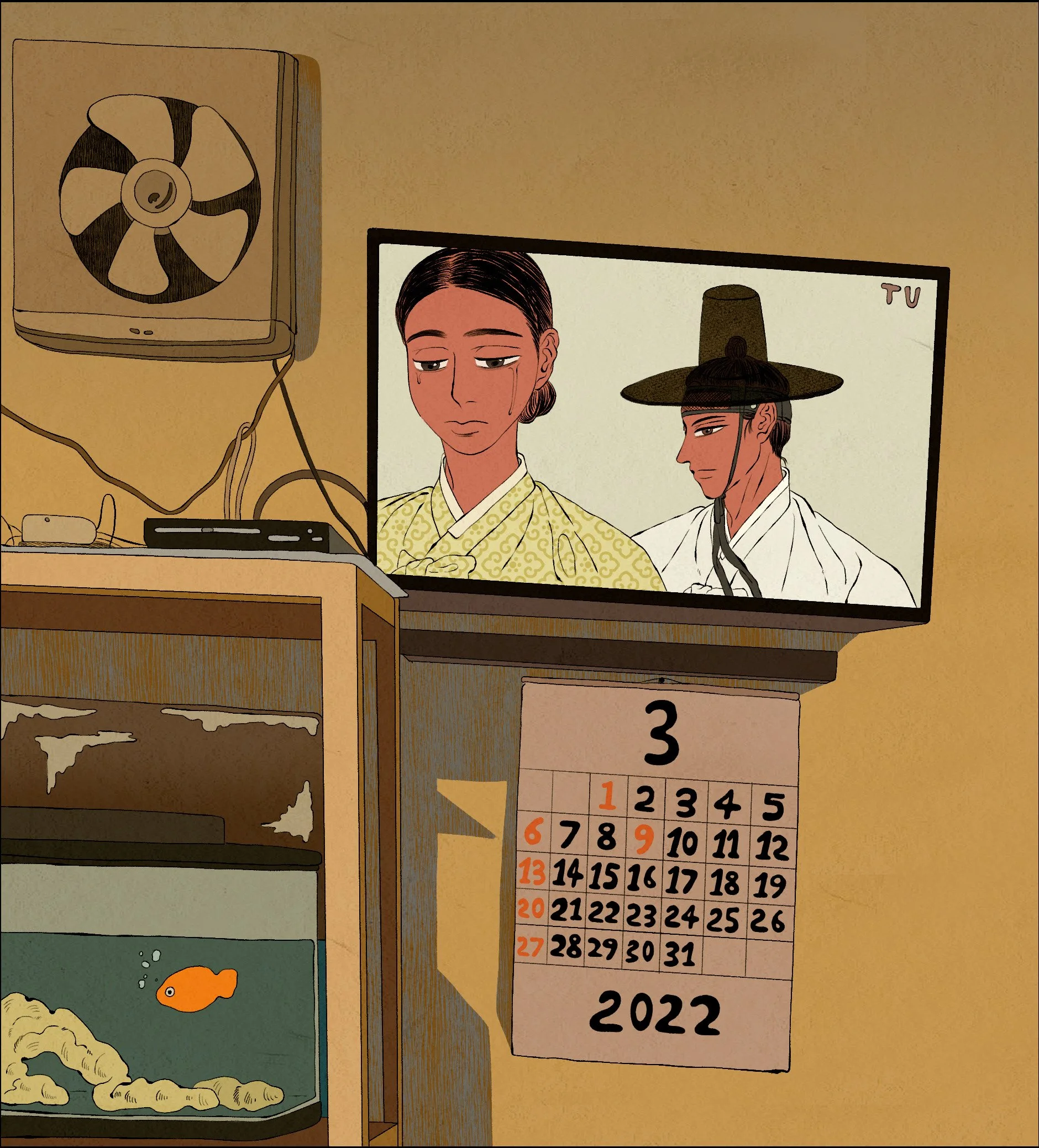

Illustrations: Jeon Nak-Joo
Former Colonial Subjects and Refugees
Readers in Europe may underestimate the differences between Japan and Korea, but the two countries have distinct languages, customs, and histories, and remained entirely separate nations until the late nineteenth century. Due to geographical proximity, there has long been human movement between them, and many regions in Japan retain historical accounts of migrants from the Korean Peninsula. Those early communities, however, were absorbed into Japanese society and hold Japanese nationality today; they are not considered Korean residents in Japan in the contemporary sense.
The historical origins of Korean residents in Japan lie in Japan’s 1910 annexation of the Korean Peninsula. After annexation, many Koreans migrated to Japan as internal migrants, and by the time Korea regained independence in 1945, the number of Koreans living in Japan had reached roughly two million (Note 4). Some were forcibly brought to Japan and made to work in mines and factories under harsh conditions. Many, unfortunately, died in Japan or returned to the peninsula after independence, yet more than 600,000 remained.
But these 600,000 are not the only ancestors of today’s Korean residents in Japan. Following independence, the Korean Peninsula descended into the Korean War (1950–1953), which brought ground battles across much of the region. Even after the armistice, severe ideological repression occurred in both South Korea and North Korea, including the large-scale massacre of civilians on Jeju Island. Jeju, geographically close to Japan and economically disadvantaged, already had a history of mass migration to Japan during the colonial era. Many who fled the massacres attempted to enter Japan clandestinely. These war refugees and massacre survivors, too, became part of the Korean community in Japan.
Notes
[Note 1] Data from a prerelease published by the Immigration Service Agency of Japan on October 10, 2025 (retrieved November 14, 2025).
[Note 2] Data published by the Immigration Service Agency of Japan on July 11, 2025 (retrieved November 14, 2025).
[Note 3] For example, educational materials used in a 2014 open course at Nagoya University cite similar figures (retrieved November 14, 2025).
[Note 4] See the History Museum of J-Koreans (retrieved November 14, 2025).
[Note 5] Based on documents published by the City of Osaka (retrieved December 1, 2025).
Resources for More Information
[Websites]
History Museum of J-Koreans(http://www.j-koreans.org/en/)
Osaka Korea Town Museum(https://oktmuseum.or.jp/english/)
[Movies]
Pachinko (Apple TV; 2022-)
Break Through! (Film by K. Izutsu; 2004)
[Novels]
Min Jin Lee Pachinko, Grand Central Publishing, 2017.
Han Kang We Do Not Part, Hogarth Press, 2025 (2021).
All illustrations on this page are by Jeon Nak-Joo. She visited Osaka and the Ikuno Korea Town with the essay’s author.
See more of her work here.