

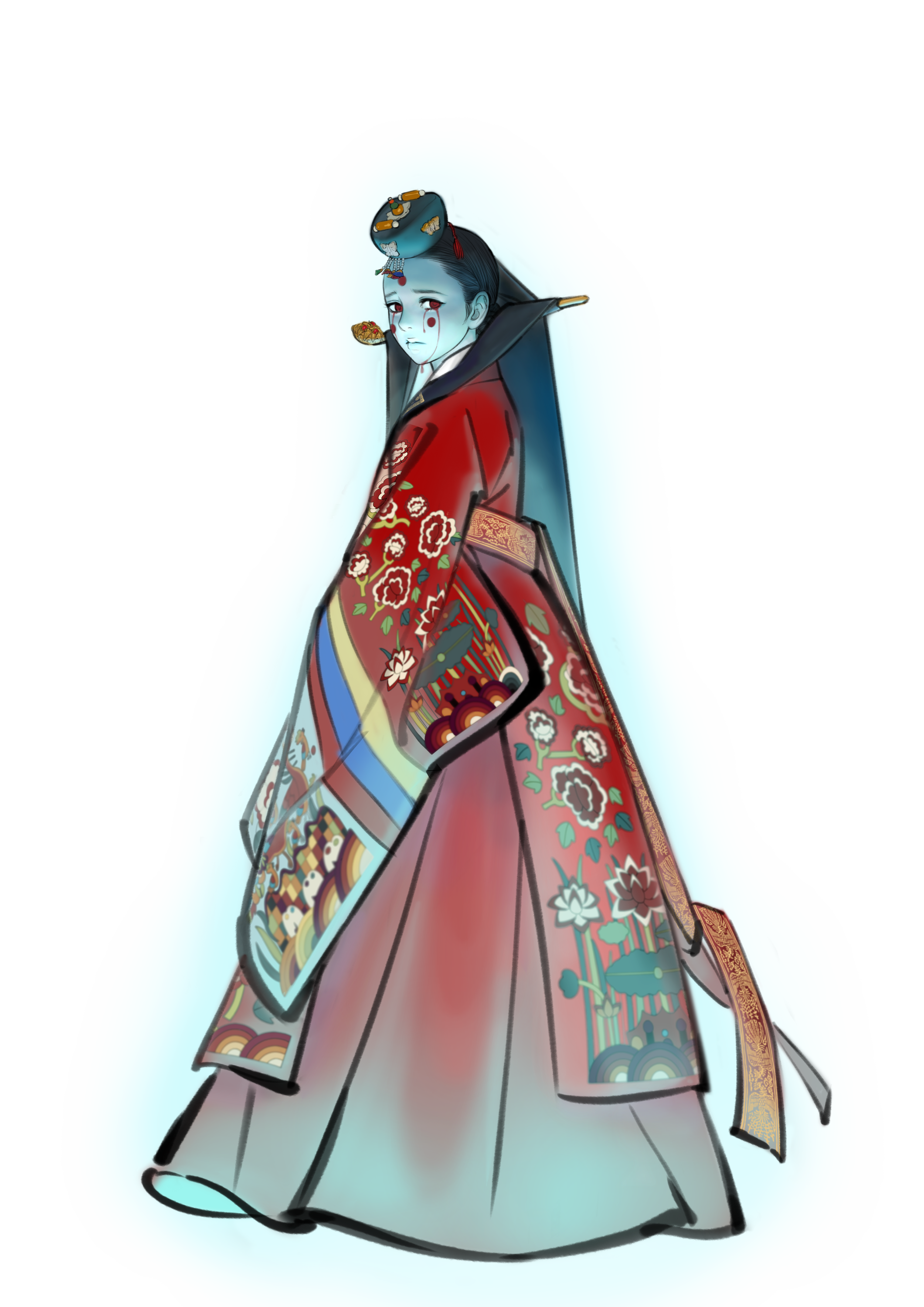

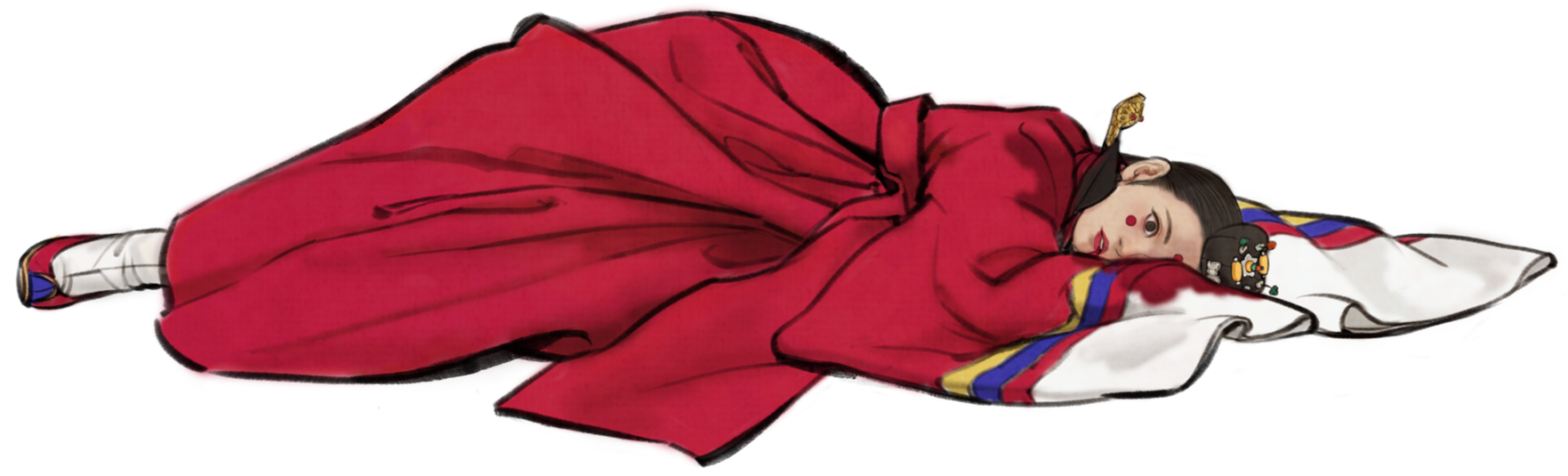
A murder has been committed. A bride is dead. Her spirit is trapped between worlds and can only find peace once the truth comes to light. Only you can find the culprit.
Step into a VR murder mystery that drops you straight into a puzzle from Korea's past. We're in the 19th century, in the late Joseon dynasty. A time deeply shaped by Confucianism, where life is governed by strict rules and social hierarchies, and where honour, age, and gender mean everything. You enter a scene frozen in time. As a spirit detective, you must examine the clues and solve the crime. Who has a motive? Who is behind the murder? And can you unmask the killer so the Spirit Bride can find peace and move on to the next world?
THE SPIRIT BRIDE was created in collaboration with South Korean illustrator Nayoung Wooh, The Animation Workshop, Phenomenal, and SDU. The experience is part of the research and outreach project New East Asian Museum Narratives, which aims to produce research at the intersection of East Asian popular culture, museology, audience studies, and transmediality through new museum narratives about China, Japan, and South Korea.
THE SPIRIT BRIDE can be experienced at the National Museum from 1 September through 30 September 2026.
Meet the creator
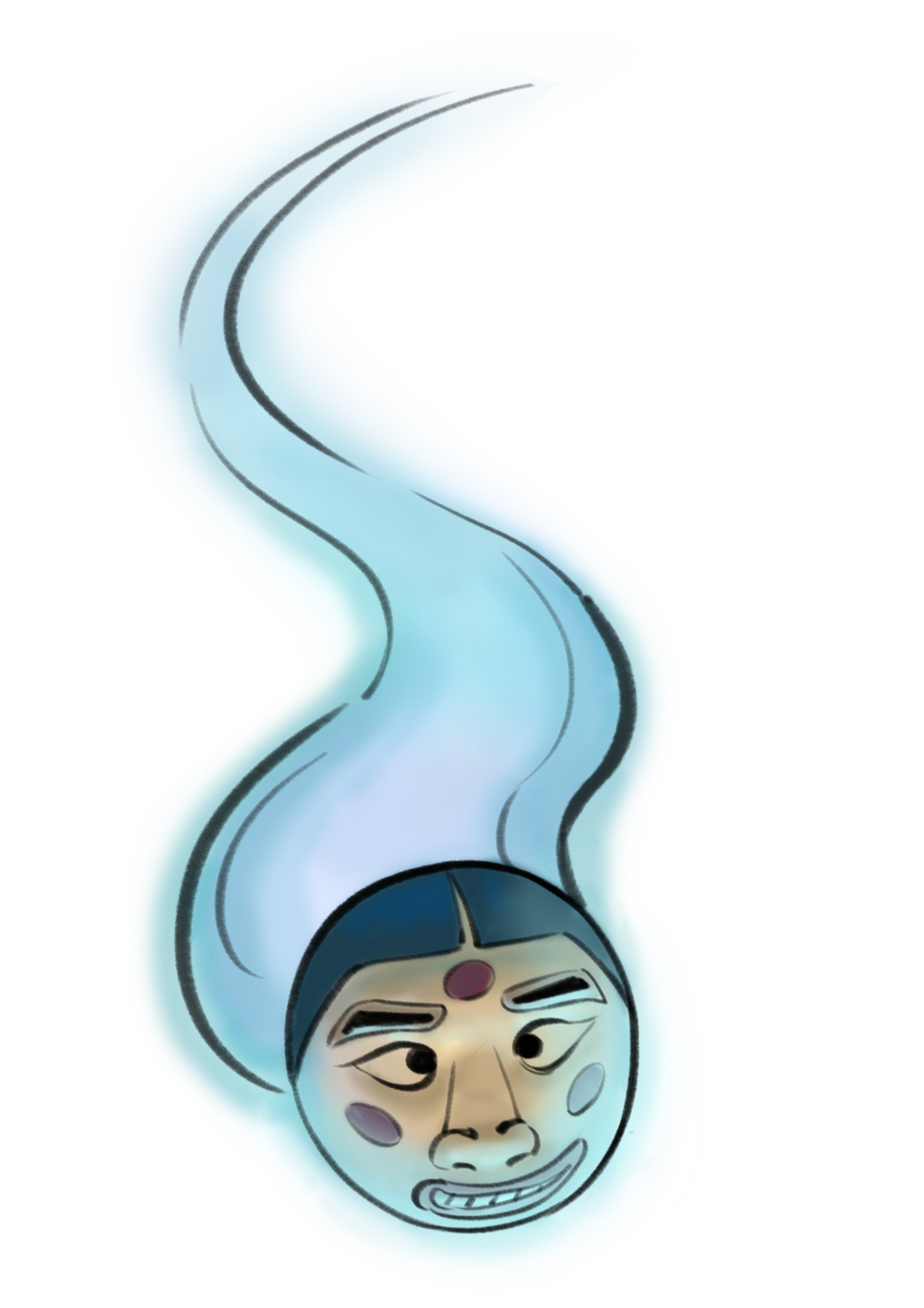
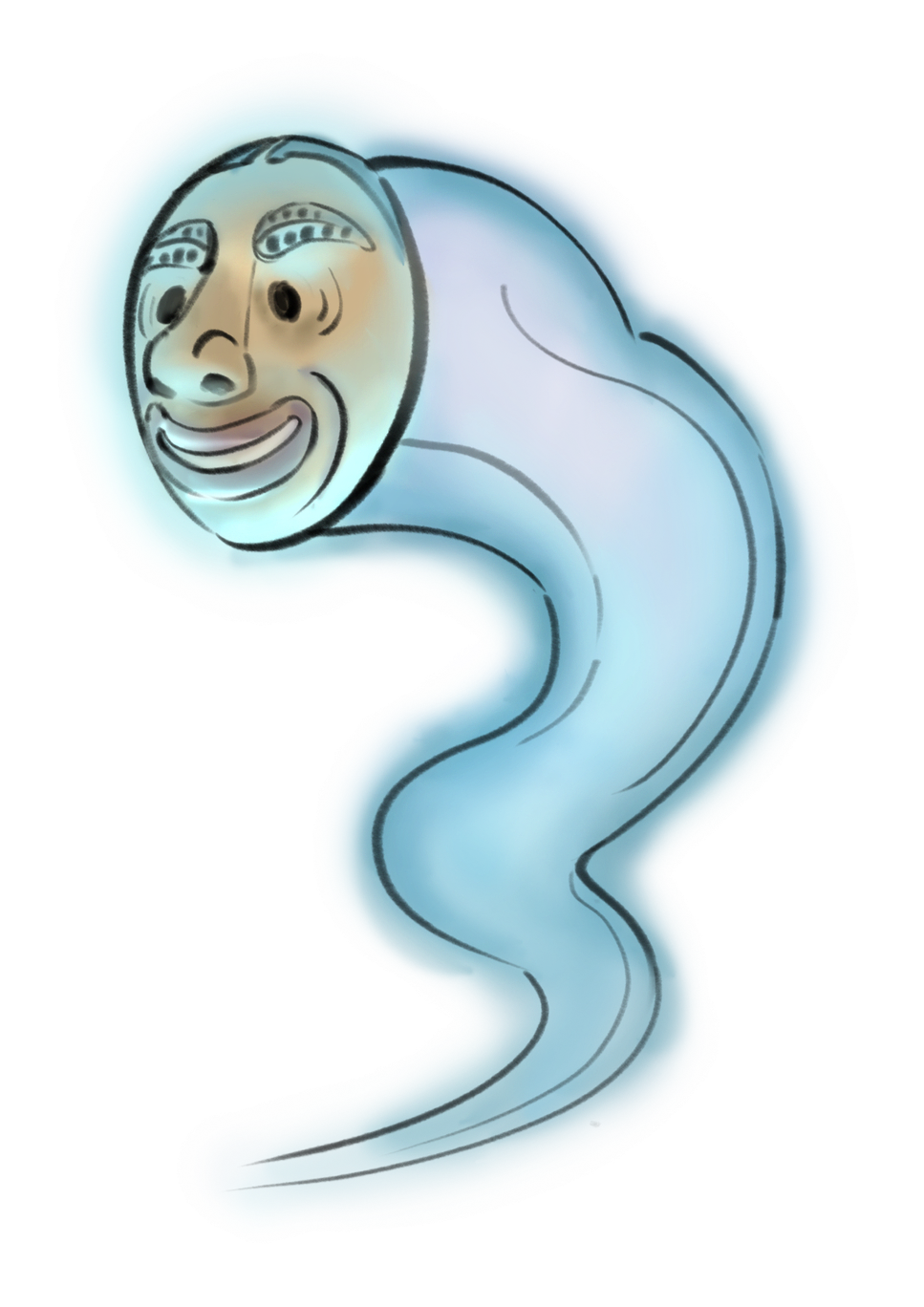
Nayoung Wooh
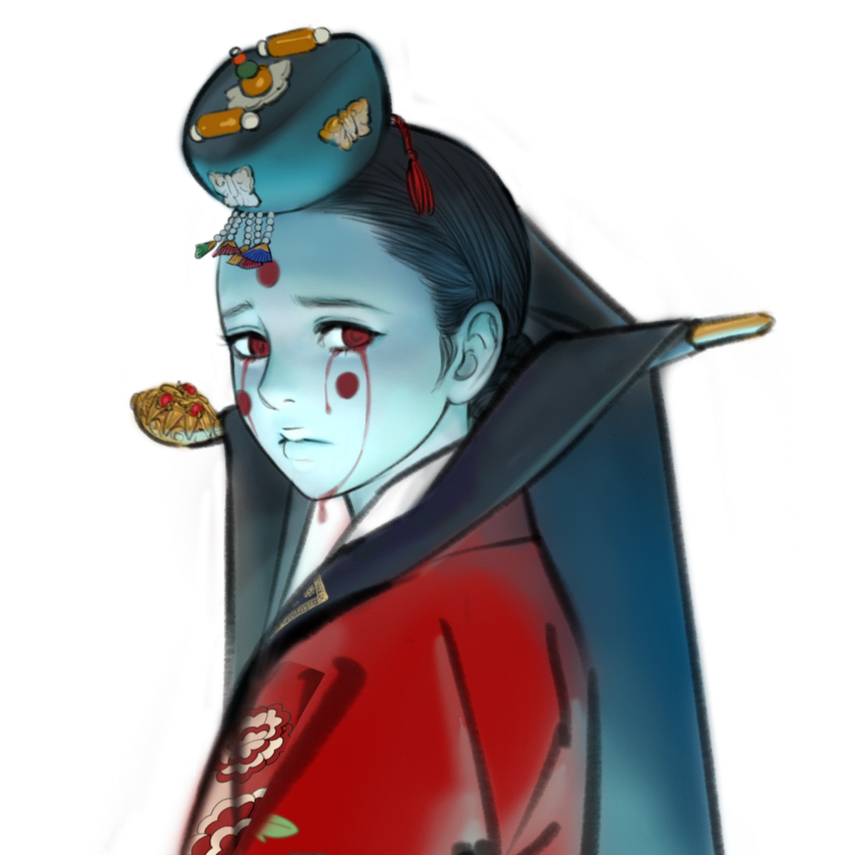
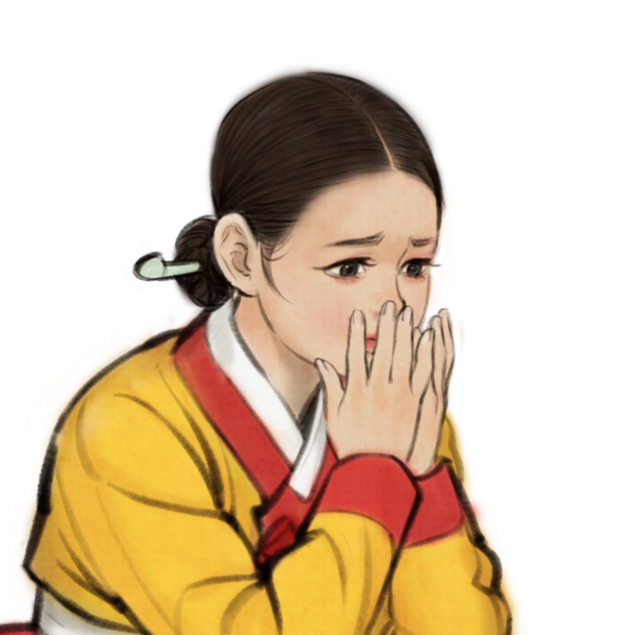
THE SPIRIT BRIDE was created in collaboration with South Korean illustrator Nayoung Wooh, who has drawn for both Disney and Marvel. Taking inspiration from objects in the exhibition, she created the story's visual universe.
The World of the Spirit Bride
Learn more about the ideals and social structures that characterized Joseon society
Confucianism, Gender and Social Class
During the Joseon period (1392–1910), Korea was shaped by Confucianism, which emphasised duty, loyalty, and respect for family and authority. Society was organised according to class, gender and age, and every individual had a defined place within the social hierarchy.
Marriage was first and foremost a union between two families. Parents often arranged the match, and the wedding combined Confucian rituals with older traditions such as shamanism.
However, during the nineteenth century, economic changes began to challenge the traditional social order, creating new opportunities for some families to improve their social standing.
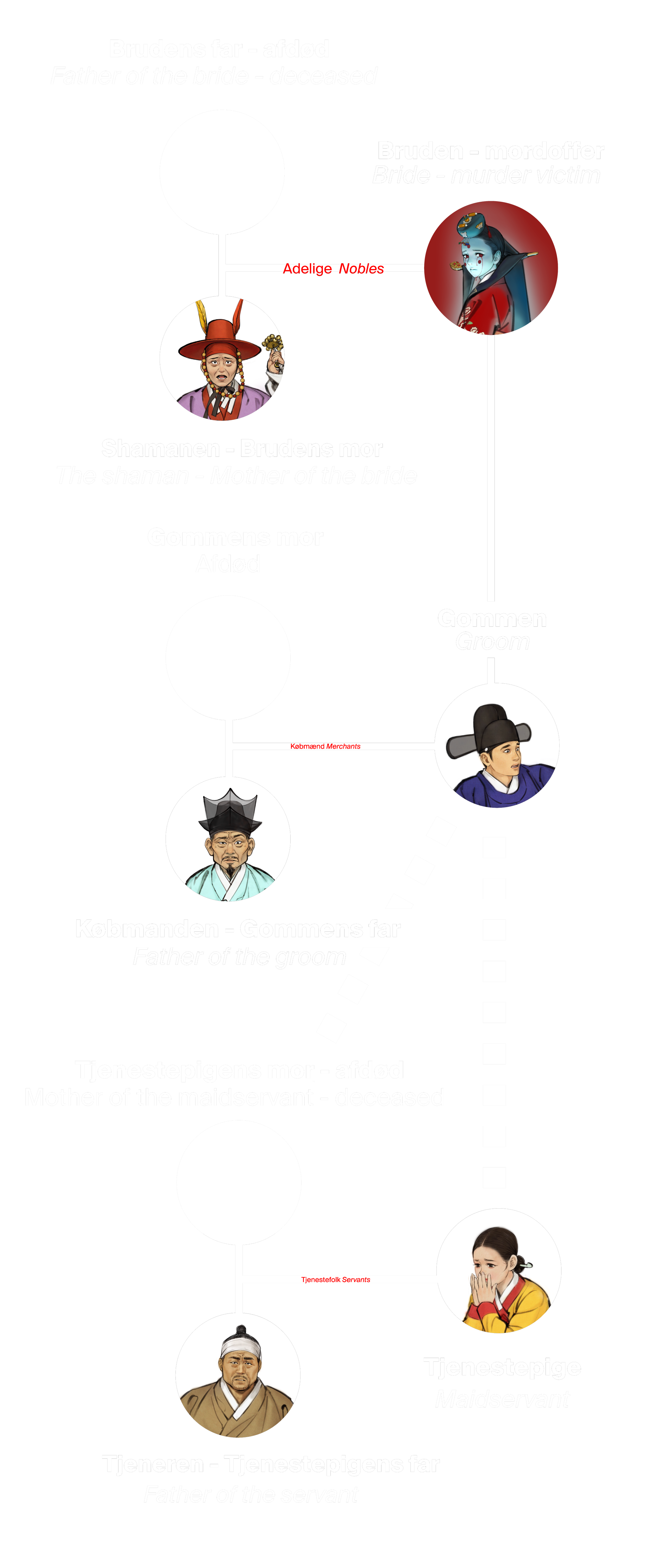
In the VR experience THE SPIRIT BRIDE, you encounter characters from different levels of Joseon society. Their relationships are shaped by love, duty, ambition and social expectations.
The Yangban Elite
The yangban were the scholar-official elite of Joseon society. Their status rested on education, government office and family lineage, placing them at the top of the social hierarchy. Upon marriage, a woman became part of her husband's family and was expected to conform to its hierarchy. This was true even for women born into the yangban class of Joseon society.
Merchants
Merchants could accumulate considerable wealth through trade but traditionally ranked below the yangban. During the nineteenth century, some wealthy merchant families successfully transformed their economic prosperity into higher social status. A young man was expected to continue the family line, strengthen his family's position and honour his ancestors. Education and a career as a civil official offered the surest path to prestige and influence.
Shamans
Shamans acted as intermediaries between people, deities and ancestral spirits. Although many sought their guidance, most shamans occupied a low social position. They were often women and existed on the margins of the Confucian social order.
Servants
Servants worked for other households and carried out physically demanding labour. Although the late Joseon period brought greater social mobility, people from the lowest social classes had few opportunities to improve their status.
Get acquainted with the objects that inspired the VR experience
Korean House
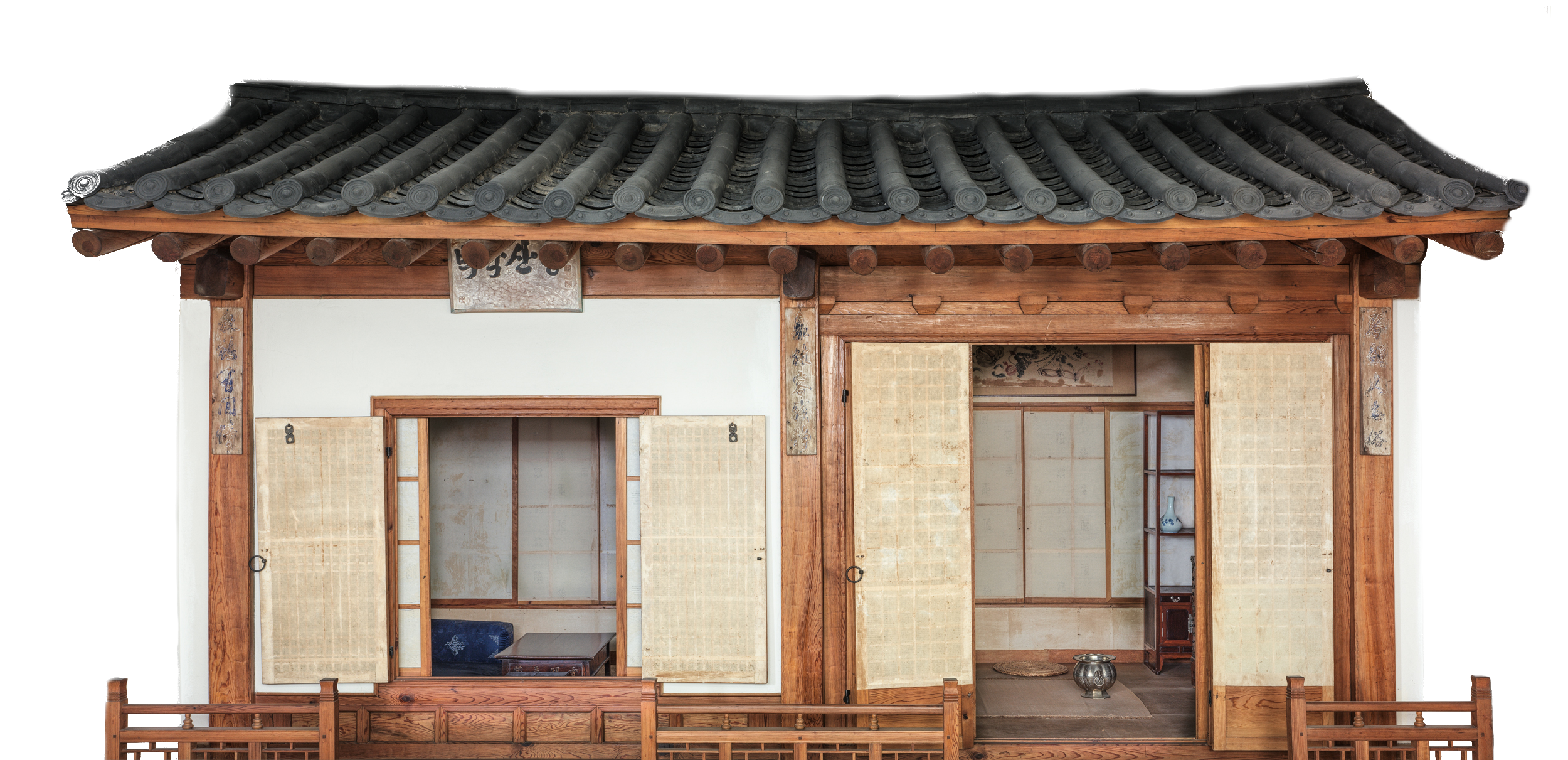
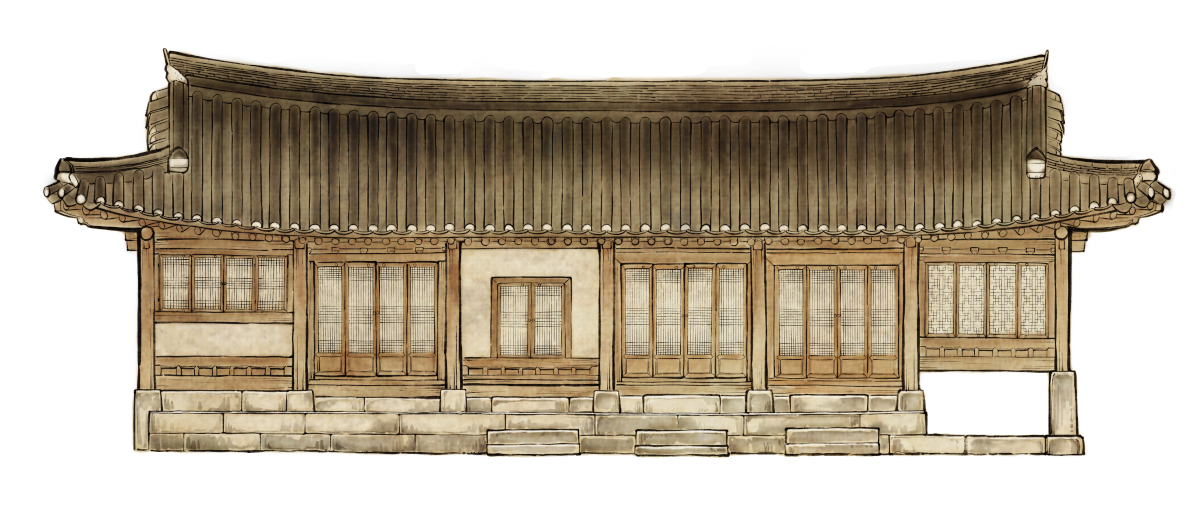
This Korean house is inspired by a sarangbang, the study of a scholar in a royal palace during the Joseon period (1392–1910). Confucian ideals required a clear separation between the living quarters of men and women. The men’s area, which faced the outside world, included the sarangbang, a space used for reading, teaching, and receiving guests.
The house was constructed by a Korean architect in 1966 and donated to the National Museum by the Korean government.
In THE SPIRIT BRIDE (VR), you step into the courtyard outside the sarangbang of a wealthy merchant.
Shaman’s Costume and Ritual Objects
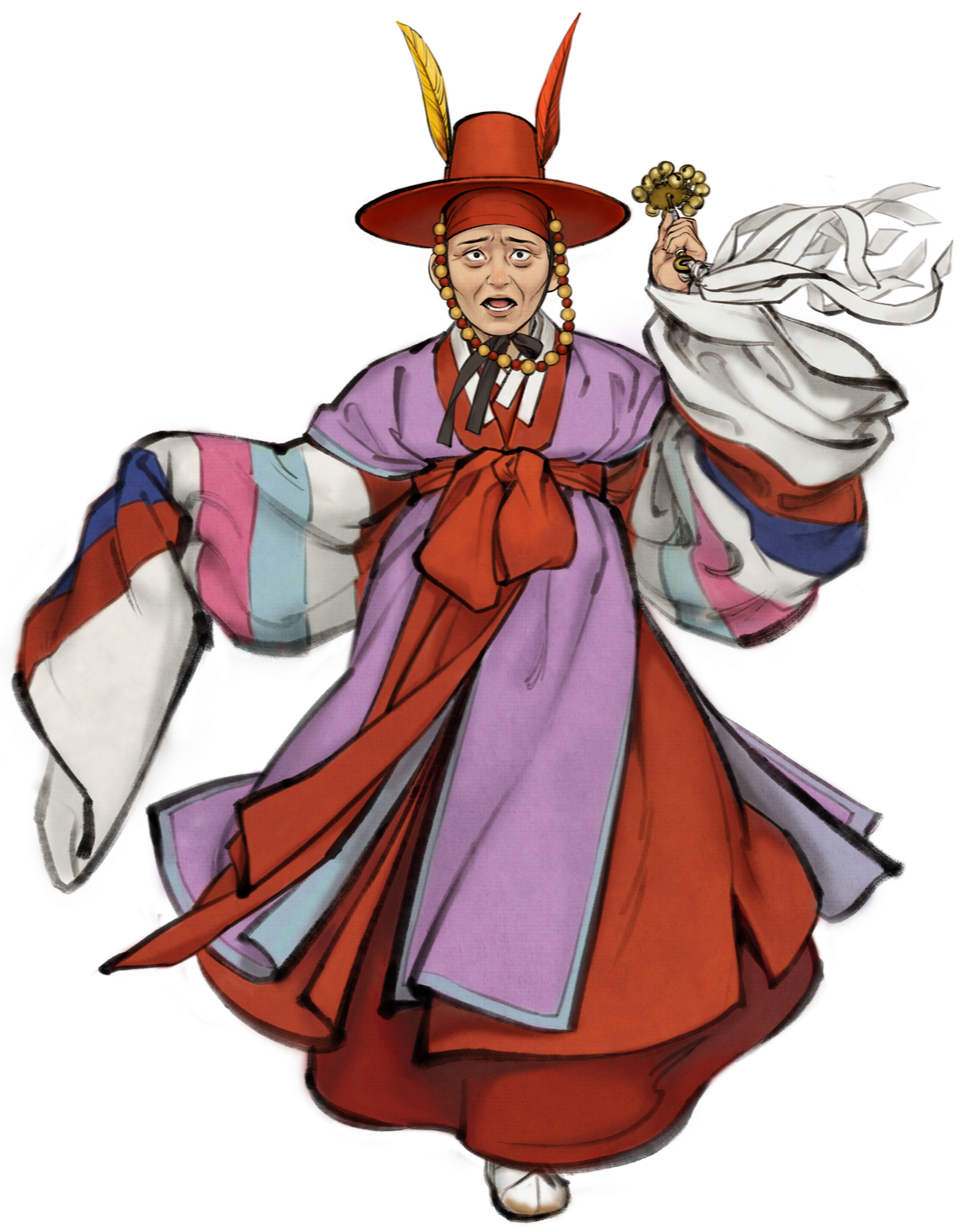
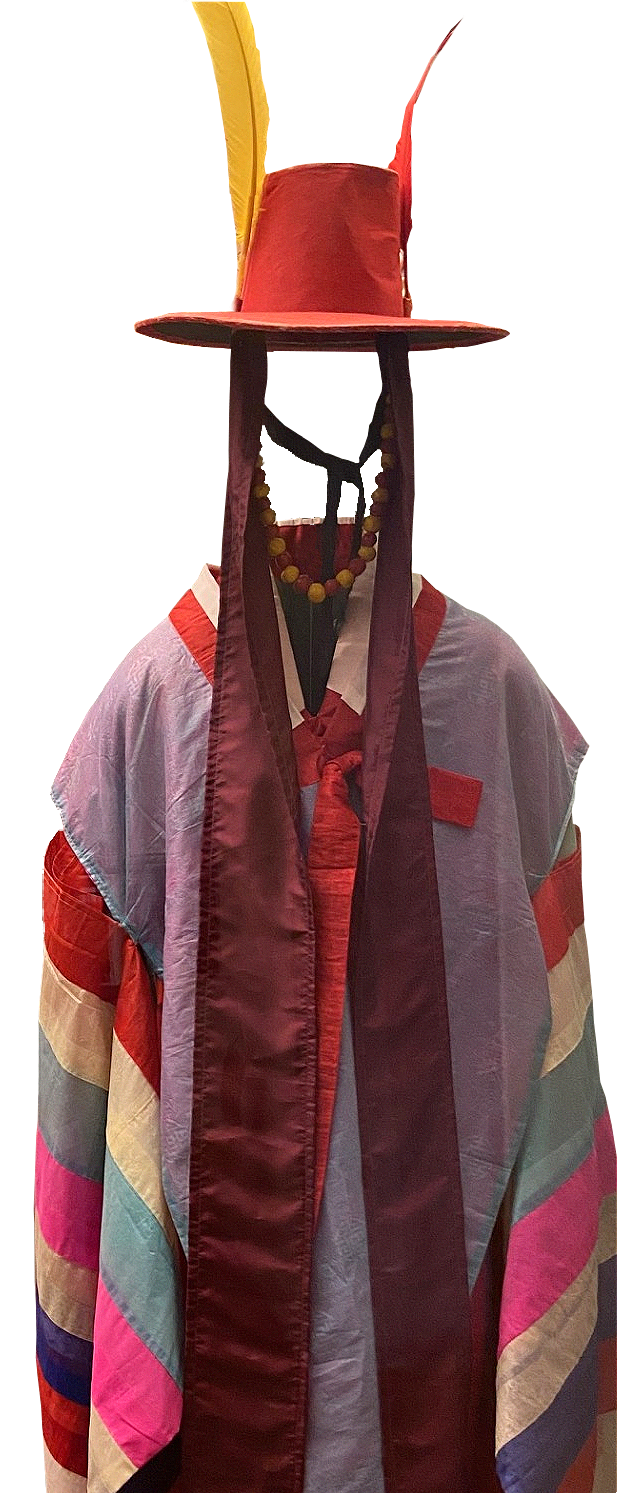
Although shamanism is Korea’s oldest religion, it has been met with prejudice and opposition throughout history, particularly in a society shaped by Confucian ideals. The shaman (mudang) serves as an intermediary between humans, deities and the spirits of the dead. Shamanic rituals (gut) combine song, dance and communication with the spirit world.
Before a wedding, families might consult a shaman to seek spiritual guidance, examine the couple’s birth data (saju), or avert misfortune. Exchanging saju before marriage remains a common practice in South Korea, and some families continue to seek spiritual advice.
In THE SPIRIT BRIDE (VR), you will encounter both the world of the living and the world of the dead.
Bridal Robe
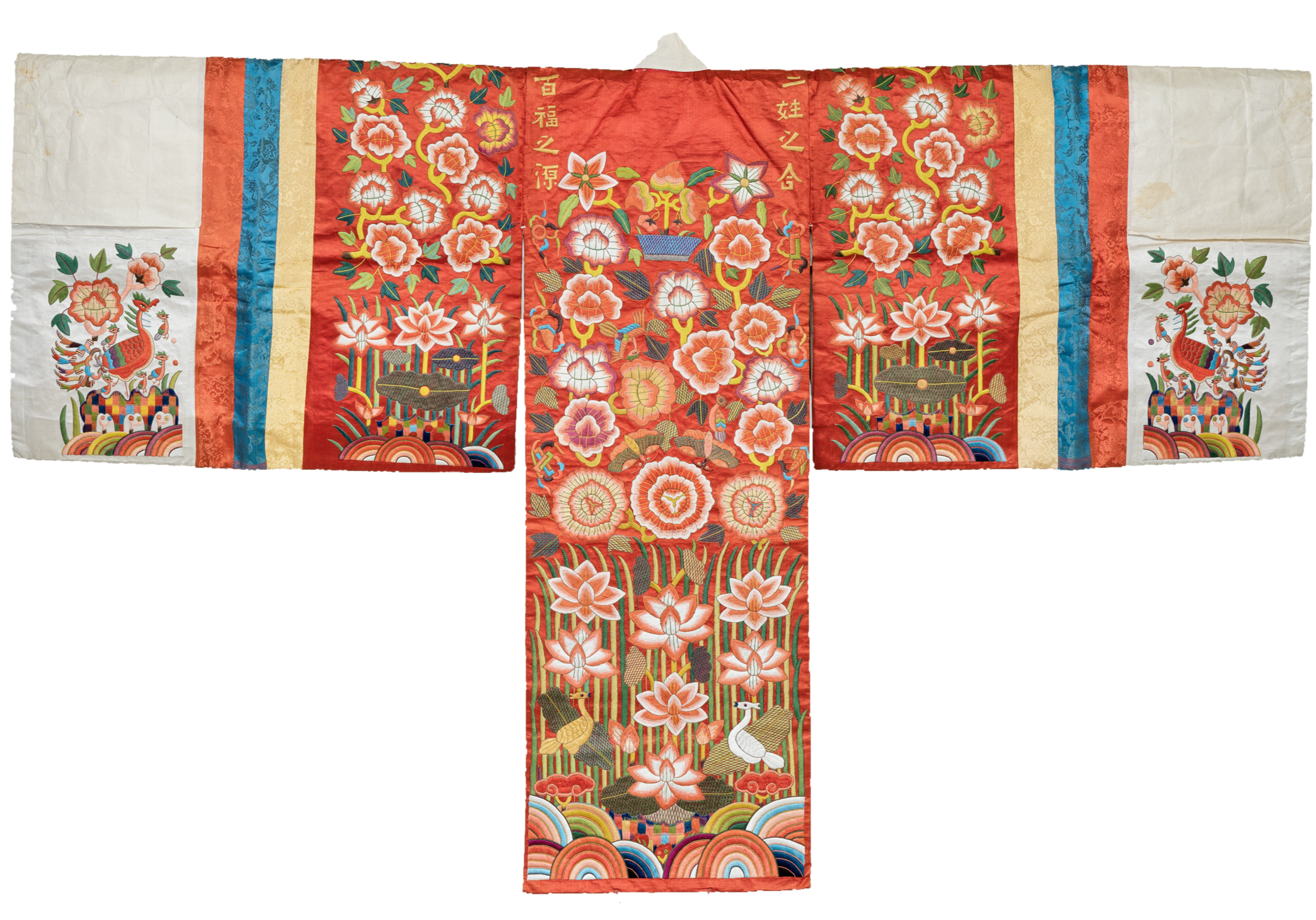
This bridal robe (hwarot) was worn during a wedding ceremony and when the bride was formally presented to her husband’s family. It is richly embroidered with symbols expressing wishes for a long and happy marriage and for a strong bond between the two families. The Chinese characters embroidered on the robe read:
‘The union of two families is the source of a hundredfold happiness.’
Lotus – purity and harmony
Peony – wealth, honour and prosperity
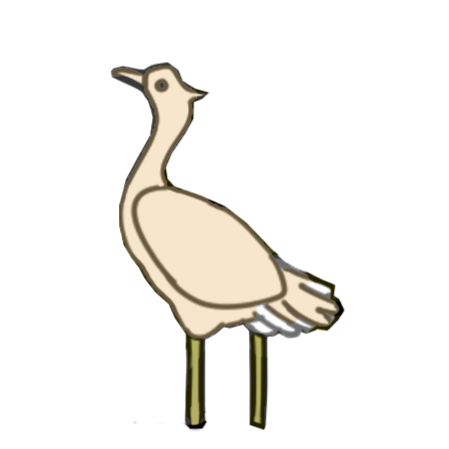
Cranes – longevity and fidelity
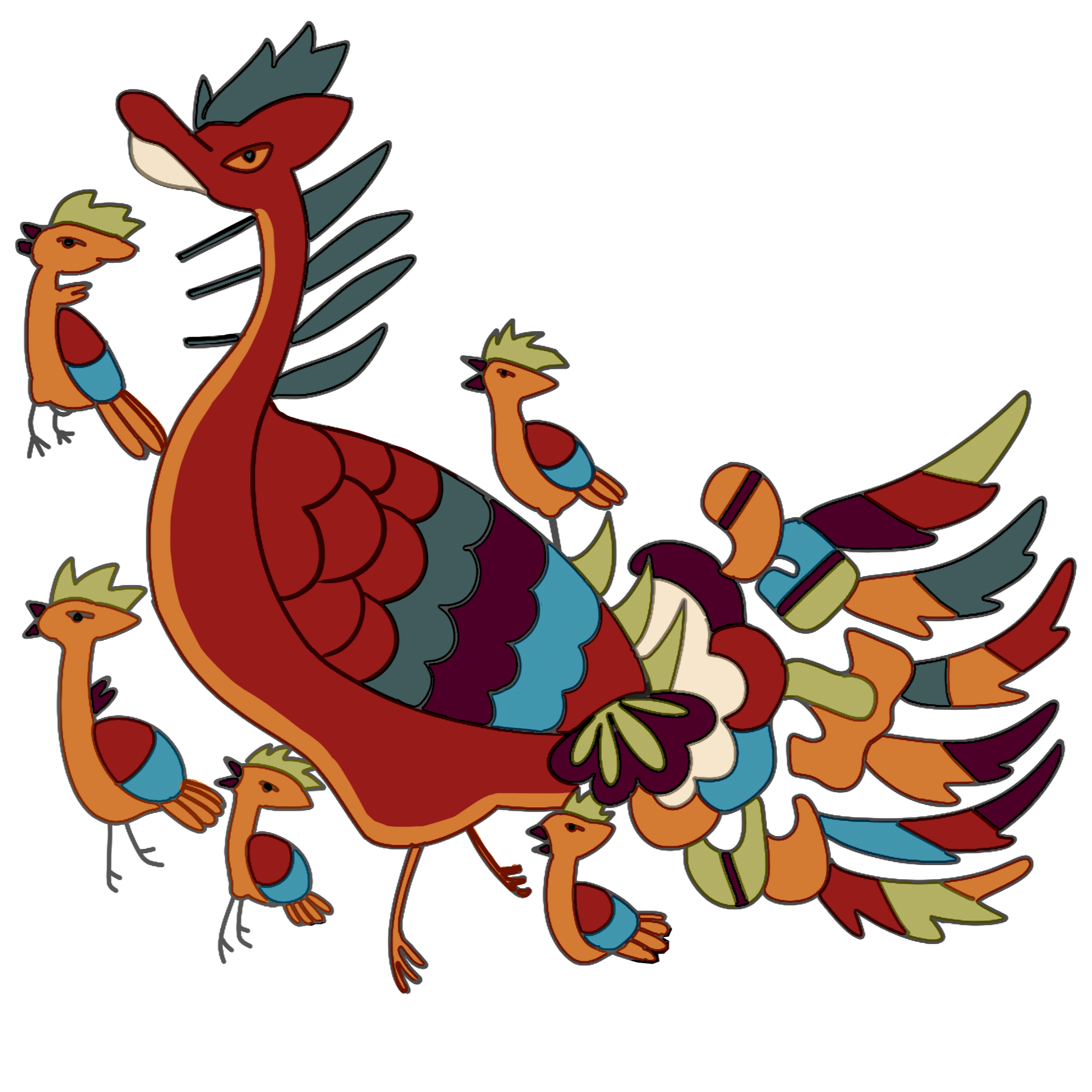
Phoenix with chicks – marital harmony and the wish for a flourishing family line
Potted peach tree – immortality and long life
In THE SPIRIT BRIDE (VR), the union of two families does not bring a hundredfold happiness. Far from it.



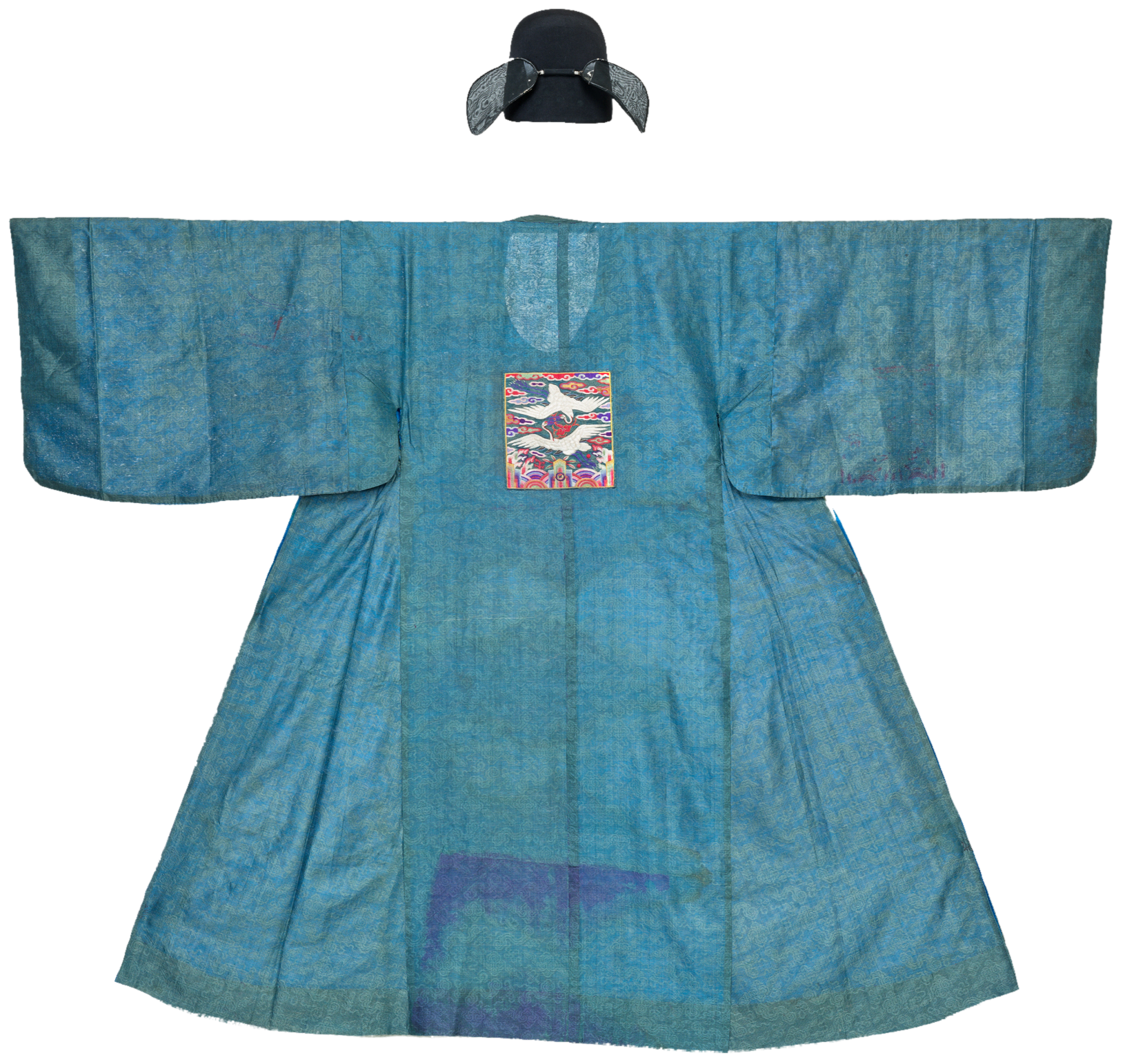
Official’s Robe and Hat
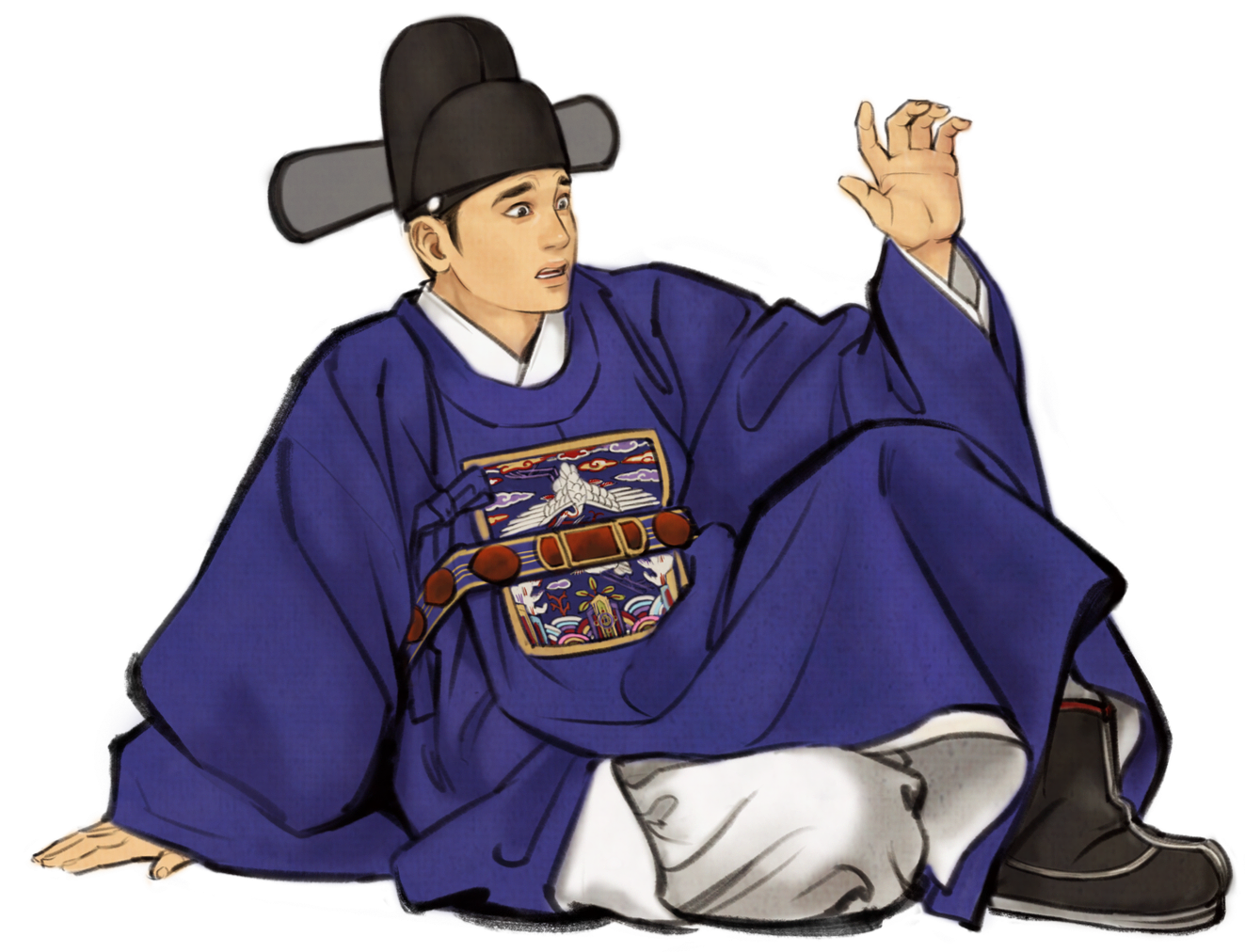
An official’s robe symbolised learning, status and service to the state. The bird badge identifies it as having belonged to a civil official. Grooms could also wear this type of robe during their wedding ceremony.
In THE SPIRIT BRIDE (VR), the merchant’s son wears this type of robe on his wedding day.
Hairpin
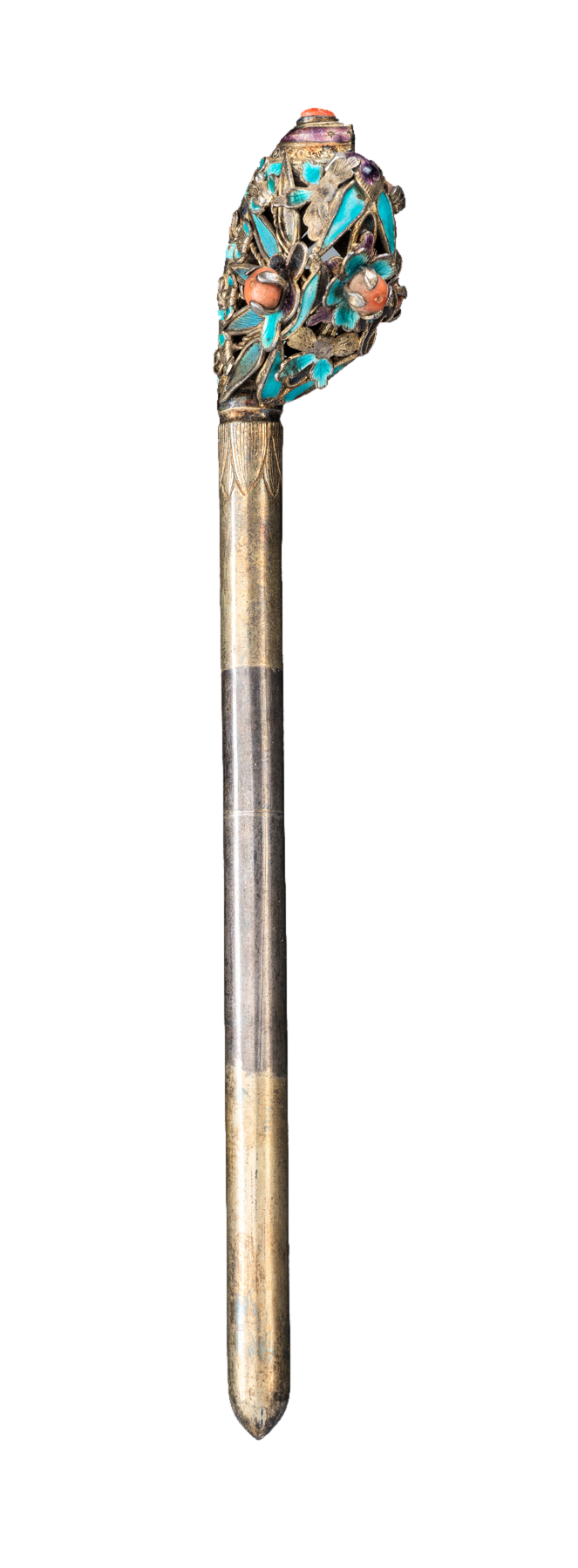
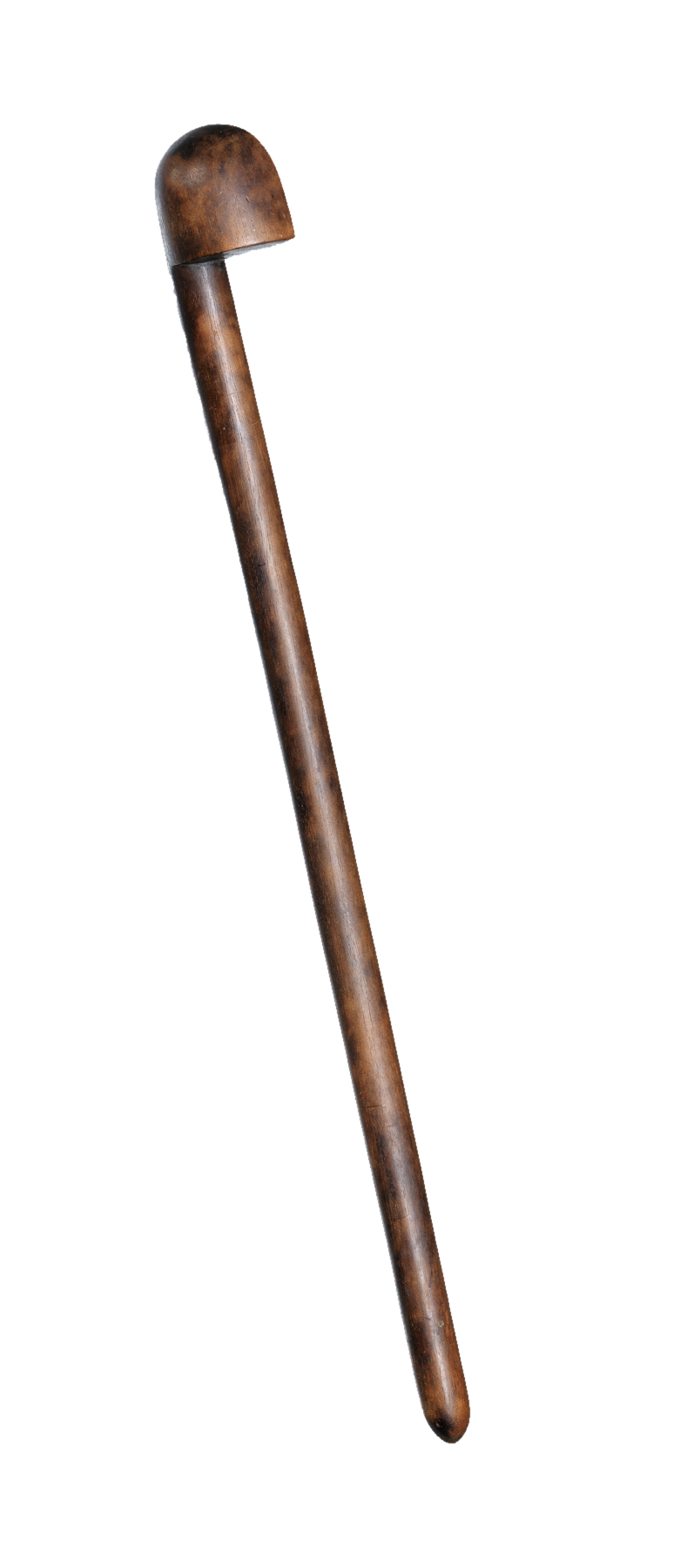
A binyeo is a decorative hairpin. Married women used it to secure their hair in a bun, while unmarried women wore coloured ribbons in their braids. The hairpin was often a gift from the groom to the bride, symbolising love and the beginning of their new life together.
In THE SPIRIT BRIDE (VR), a hairpin carries greater significance than it first appears.
Silver Knife
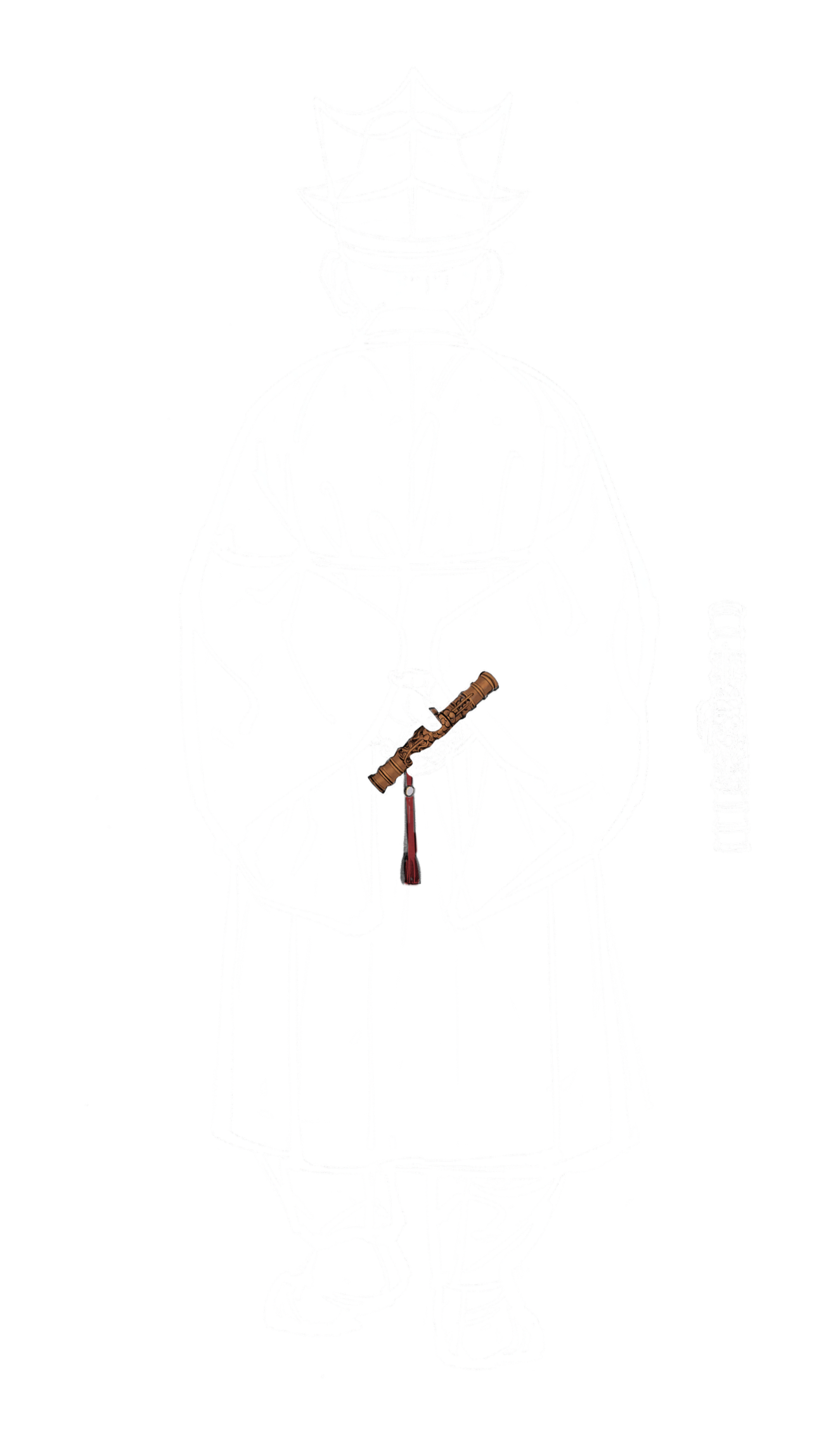
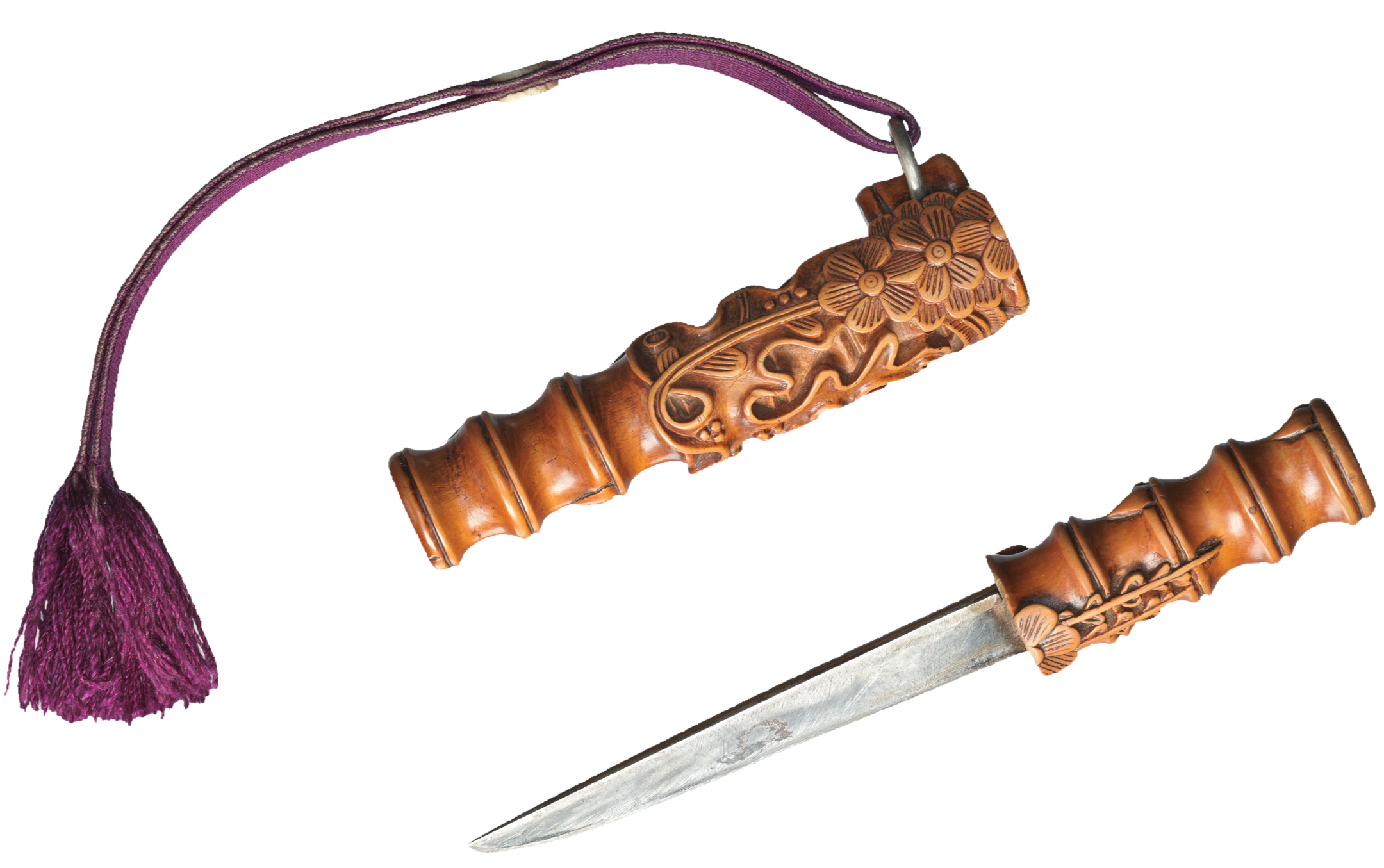
An eunjangdo is a small silver knife that was carried by both men and women during the Joseon period (1392–1910). For women, it was more than an ornament. Within the framework of Confucian values, it served both as a means of self-defence and as a powerful symbol of honour and fidelity.
In THE SPIRIT BRIDE (VR), a silver knife plays a significant role for one of the families.

Credits



Original story and art
Nayoung Wooh
In collaboration with
Developed by

3D art by


Funded by
Concept and story development
Nayoung Wooh
Project Lead
Martin Petersen PhD (Senior Researcher) - Nationalmuseet
Project Management
Katrine Broe Møller Sørensen – The Animation Workshop
Birgitte Johansen – The Animation Workshop
Historical content research and development
Martin Petersen PhD (Senior Researcher) – Nationalmuseet
Audience co-creation research and development
Nanna Holdgaard (Senior Researcher) - Nationalmuseet
VR concept production
Morten Thorning - Bureau G
Experience- and learning design
Ronja Melbye-Hansen (Experience and Learning Designer) – Nationalmuseet
Production Management
Katrine Broe Møller Sørensen – The Animation Workshop
Jakob Borrits Skov Sabra – The Animation Workshop
2D animation
Nayoung Wooh
3D animation
Peter Smith (Art Director and Supervisor - 3D Art) - Tumblehead Animation
Adriana Navarro (3D modelling and texture artist)
Federica Lazzari (3D modelling and texture artist)
Jesper Andkjær Poulsgærd (3D modelling and texture artist)
VR software, UX and interface design
Hannibal Glaser (Development, Game Design, Technical Art) - Phenomenal
Script adaptation
Martin Petersen PhD (Senior Researcher) - Nationalmuseet
Ronja Melbye-Hansen (Experience and Learning Designer) – Nationalmuseet
VR-space design and graphics
Ronja Melbye-Hansen (Experience and Learning Designer) - Nationalmuseet
UX test
Katrine Broe Møller Sørensen – The Animation Workshop
Thorkild NB Nielsen (Consultant) – Phenomenal
Sound
Upright Music
Consultant: Sofie Lebæk Jespersen
Spider's Web
Composer(s): Inon Zur
Publisher(s): Super Pooch Publishing (IPI: 405579550)
Label: X-Ray Dog
Album: XRCD 090 Bite The Hand
The Old Emotion
Composer(s): Moon Pyung Hwang
Publisher(s): Sonoton Music Gmbh & Co. Kg (IPI: 276314560)
Label: Sonoton Authentic Series
Album: SAS 007 Authentic Korea
Tools used
Unity 3D
Blender
Audacity
MUCO - Multi-user Co-Location VR
Thanks to
Students at The Animation Workshop, VIA University College
